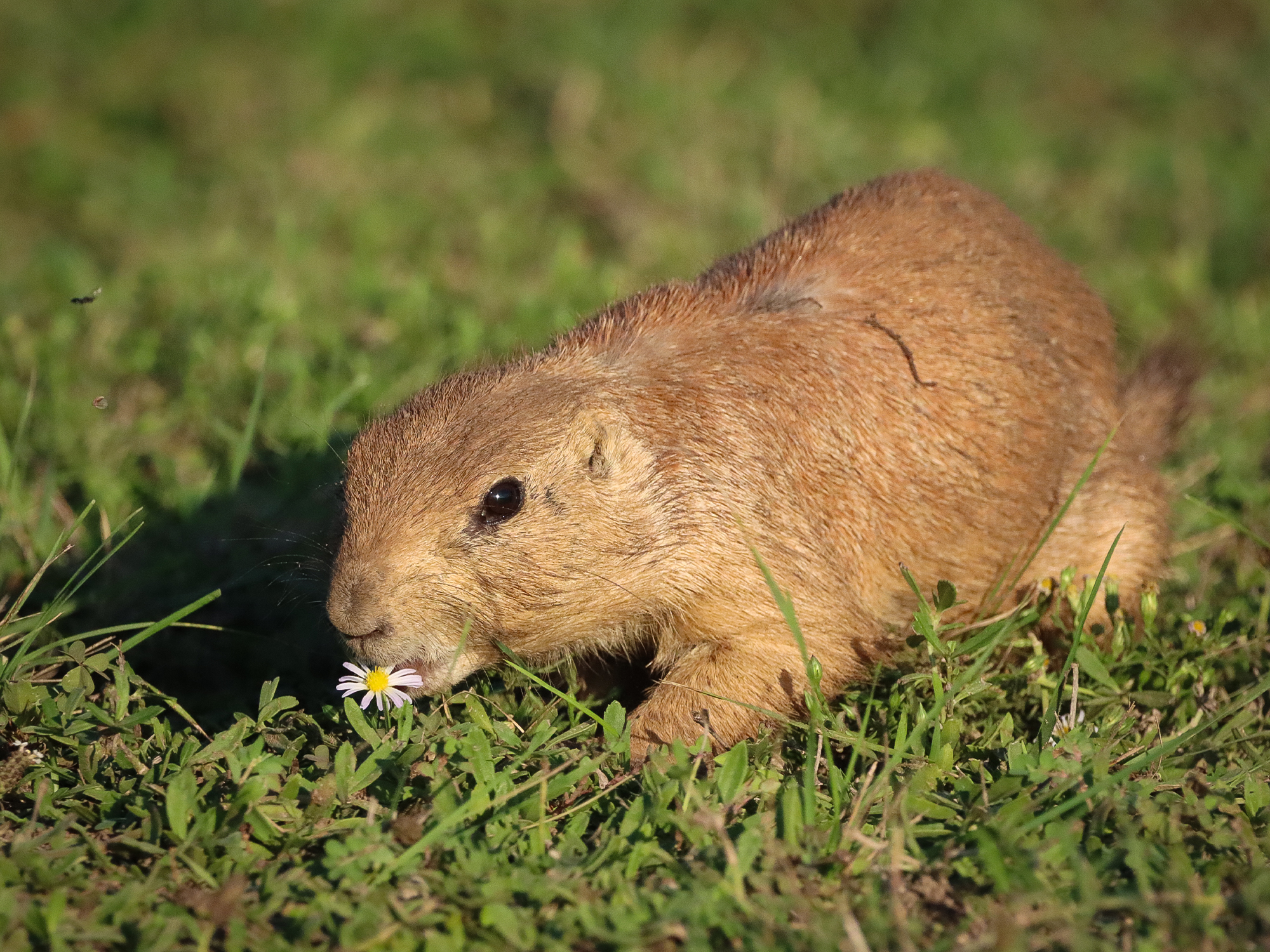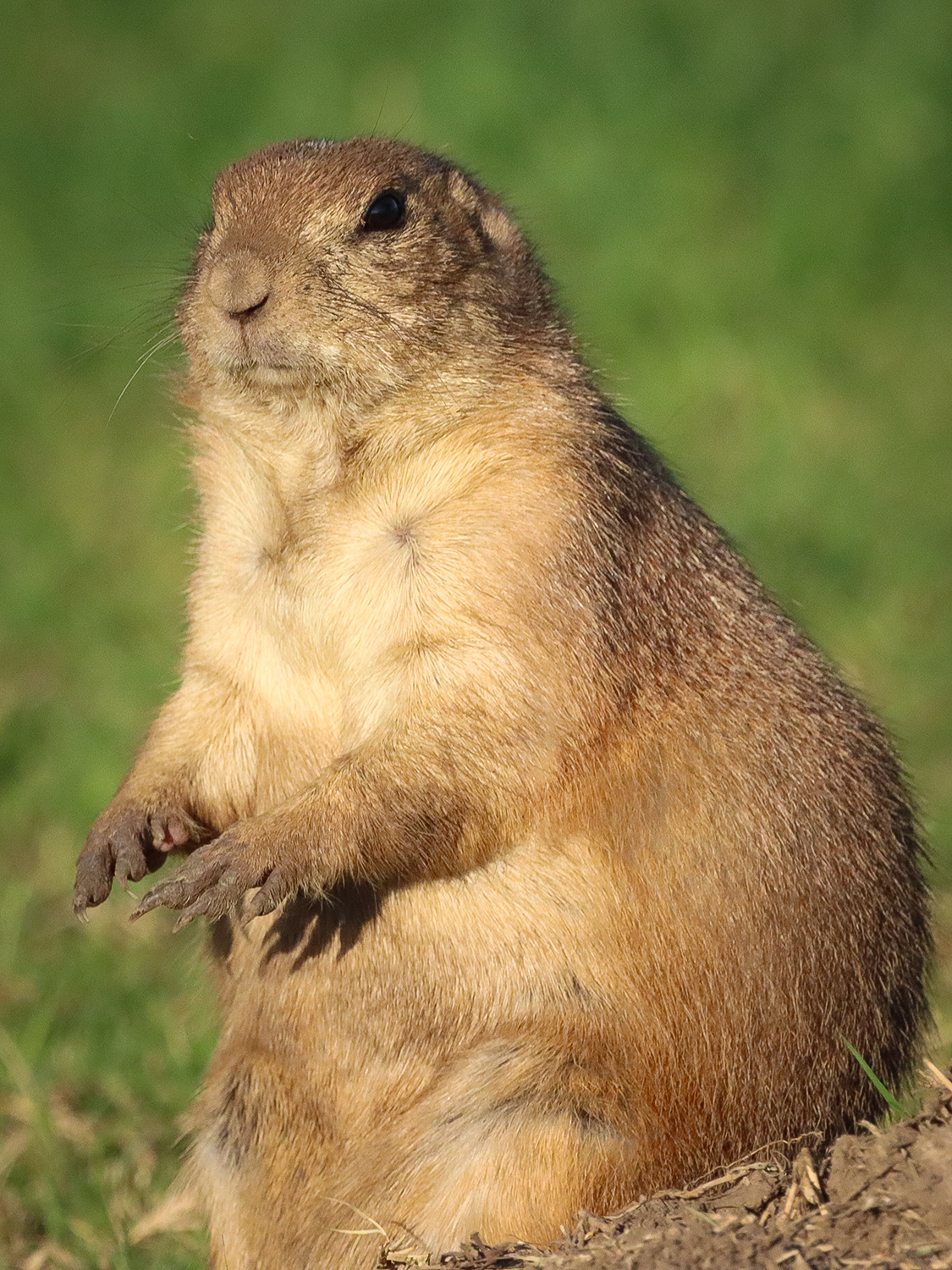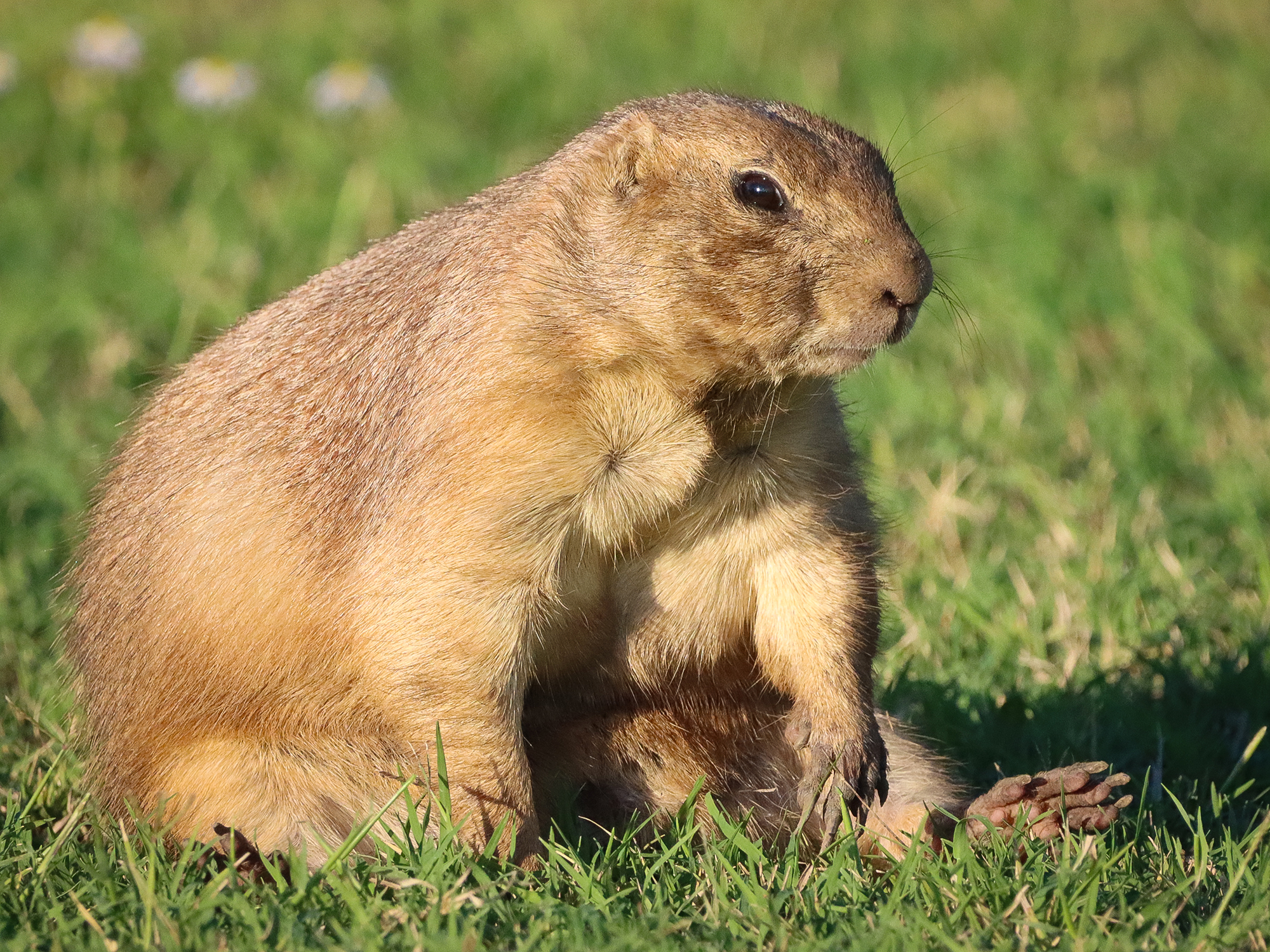

There are only a very few places in the Dallas/Fort Worth Metroplex where you can find Prairie Dogs. I recently visited one of them and came away with a nice set of pictures to share. And as long as I’m sharing the pictures, I figured I might as well do a little research and put an article together to go with them. So, here you go! Article first, with pictures to follow!
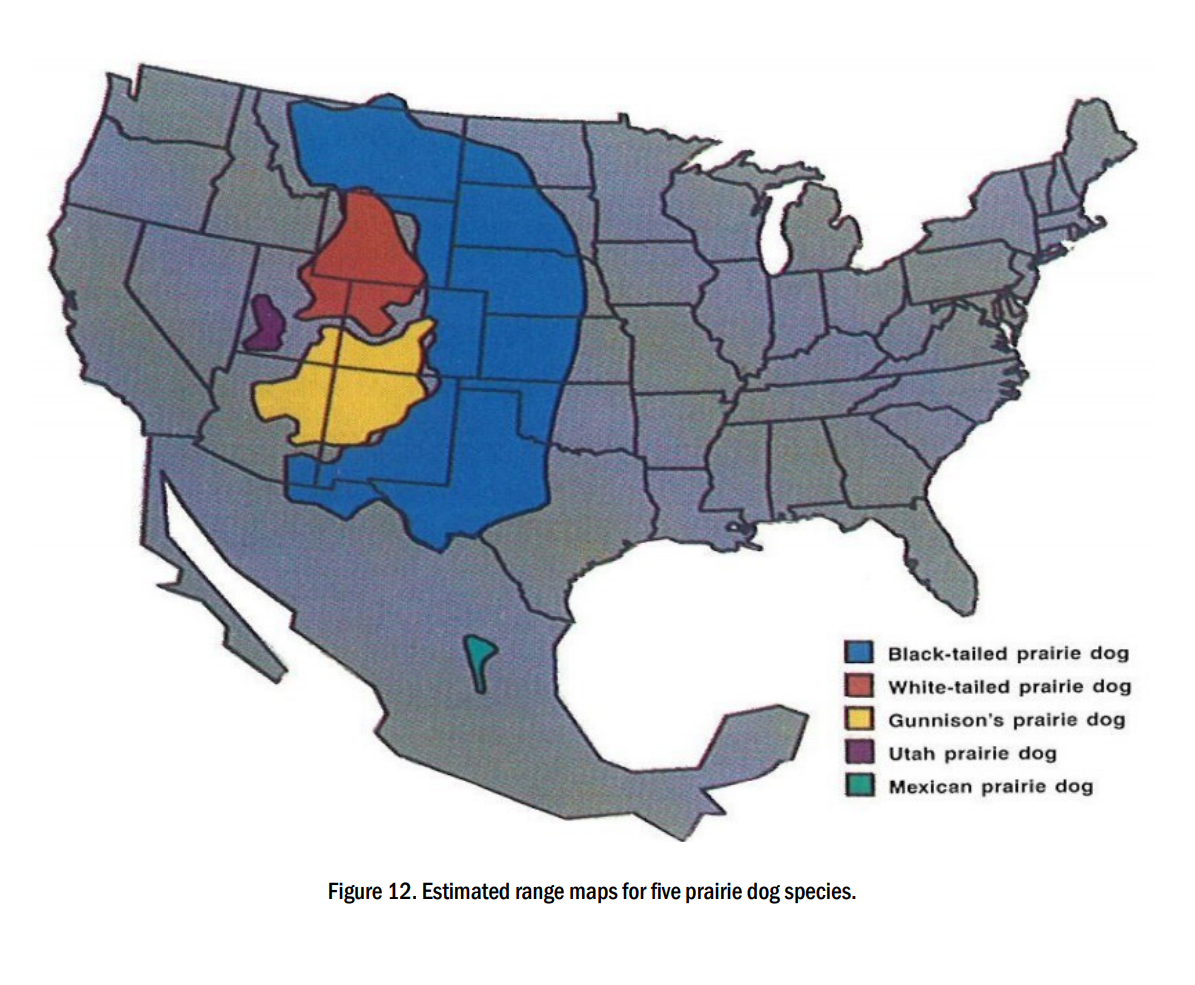
Prairie dogs are icons of North America’s shortgrass prairie. Five different species of Prairie Dogs call the western part of the continent home. The Black-tailed Prairie Dog is the species found in Texas and has the largest distribution across the continent. Its range begins at the border with Mexico and follows a swath of the Great Plains all the way up to Canada. Other North American species include the Gunnison, White-tailed, Utah, and Mexican prairie dogs.
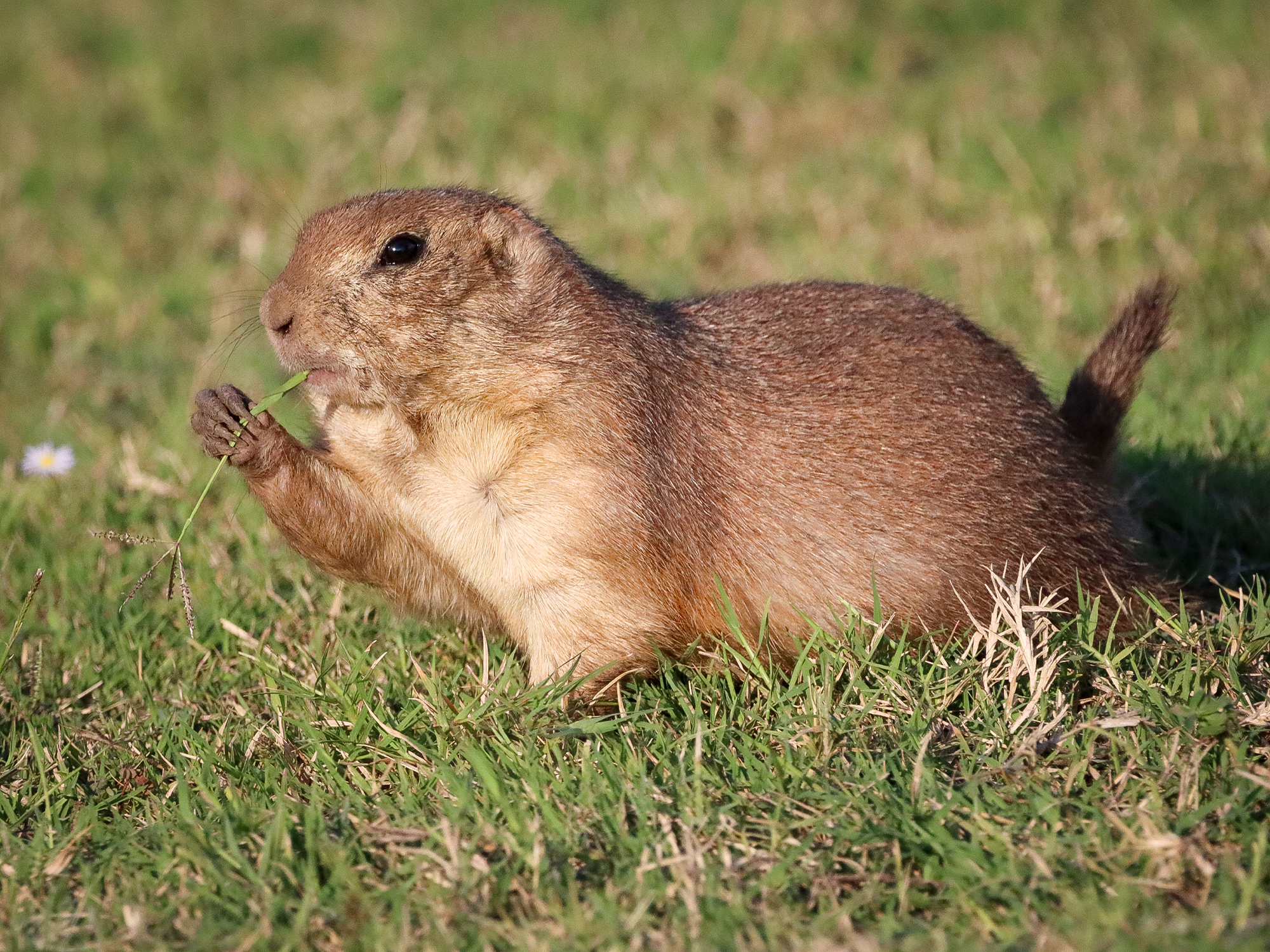
Prairie Dogs get their names from the sound of the alarm call they make when threatened. Evidently, their high-pitched chirps reminded early North American explorers of barking dogs. But Prairie Dogs are not canines. They are a type of rodent–a ground squirrel that lives in social groups known as towns or colonies.
Prairie Dog colonies can contain populations ranging from as few as 5 squirrels up to thousands of individuals. Colonies can be further divided into geographical wards and breeding-related social groups known as coteries. Multiple Prairie Dog towns close enough that dispersing animals can migrate into neighboring colonies are known as Prairie Dog Complexes.
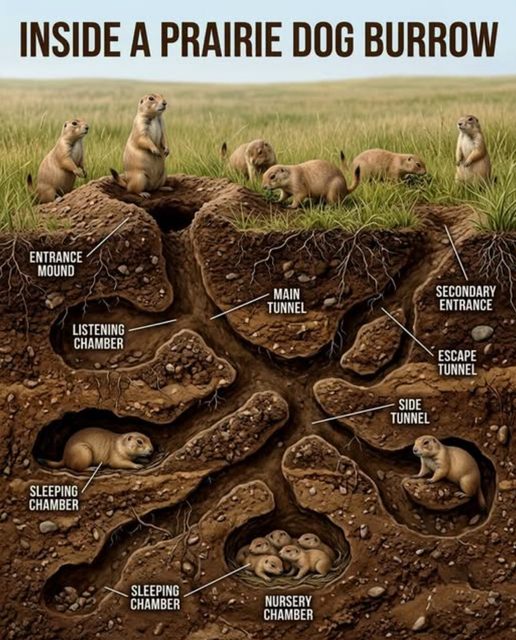
Prairie Dogs prefer areas where the soil supports intricate burrowing, and the vegetation is short enough that resident squirrels can keep a watchful eye out for predators. Prairie Dogs dig multi-chambered burrows that may descend 3 to 5 yards underground. Chambers are often lined with soft grass for use as sleeping areas. Signature dirt mounds piled around the entrances prevent rainwater from flooding the burrows.
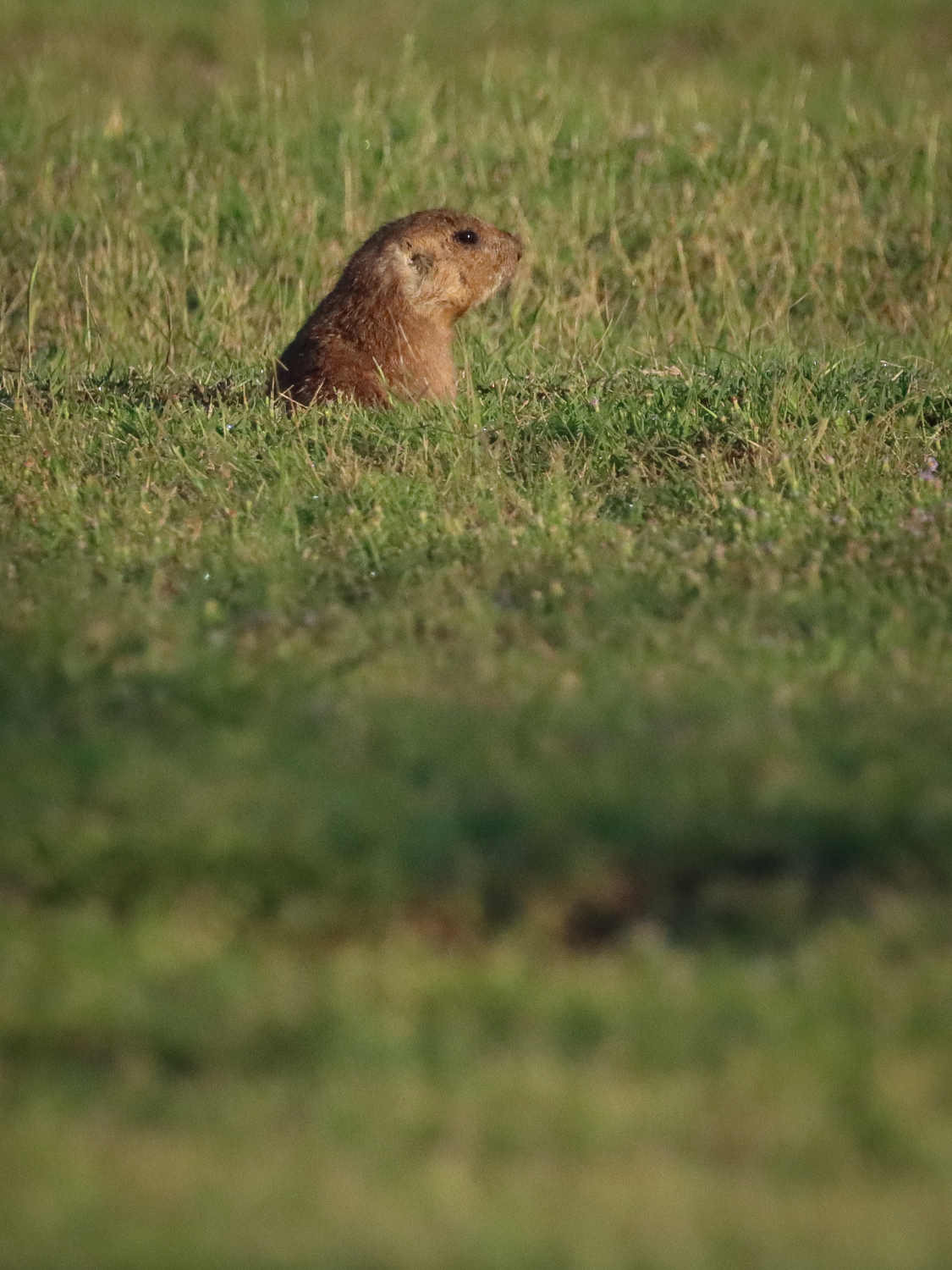
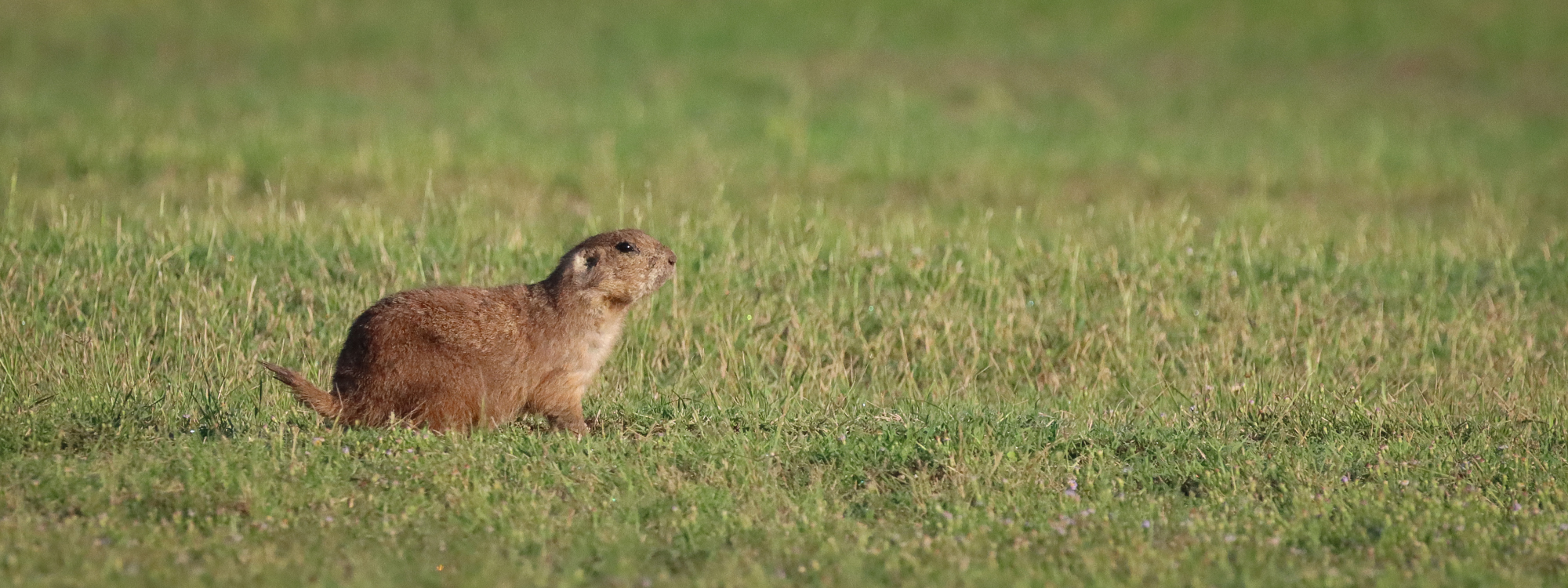
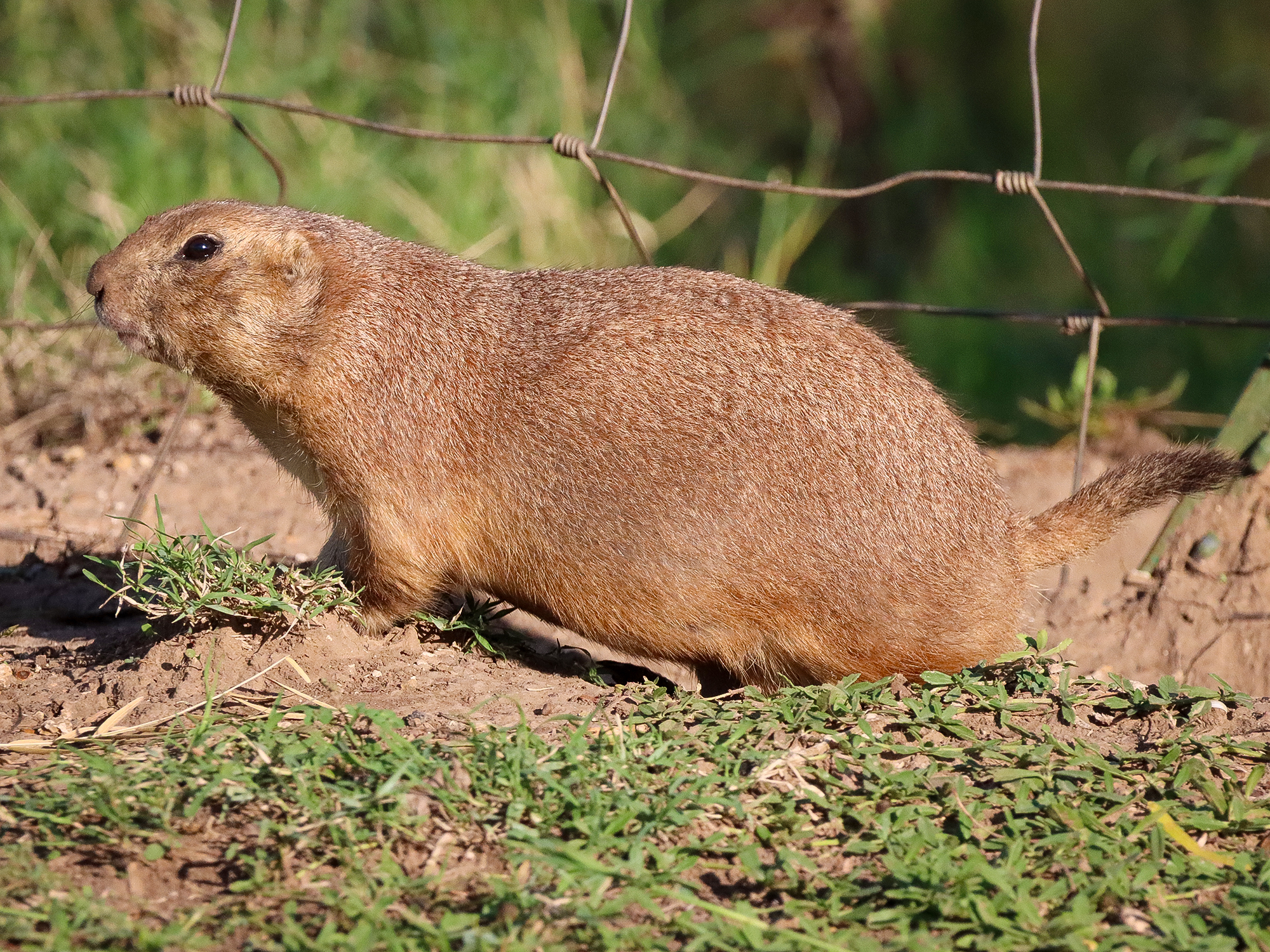
Black-tailed Prairie Dogs are large as far as squirrels go. Adult Prairie Dogs weigh in at around 2 to 3 pounds and can reach a length of 12 to 17 inches, including 3 to 4 inches of tail. Black-tailed
Prairie Dogs have a typical lifespan of 3 to 5 years in the wild. They can be expected to produce one litter each season. Prairie Dogs breed in March and April and have litters of 2 to 8 pups around five weeks later. Juvenile Prairie Dogs grow rapidly and begin emerging from their burrows for the first time in May and June. The pups become sexually mature at around 15 months, at which time some males will disperse into new areas.
Prairie Dogs are diurnal in their behavior, meaning they are active during the day–typically in the morning and before dusk. Prairie Dogs are herbivores and consume a variety of seasonally available vegetation, including grasses, forbs, greens, roots, flowers, seeds, and the occasional insect. Black-tailed Prairie Dogs do not hibernate in winter, but do enter a state of torpor and become dormant during periods of extreme cold.
Our part of North Texas is at the extreme eastern edge of the Prairie Dog’s historic range. But Prairie Dogs can still be found in relative abundance a little further west, throughout the Texas Panhandle, and into the Trans-Pecos region.
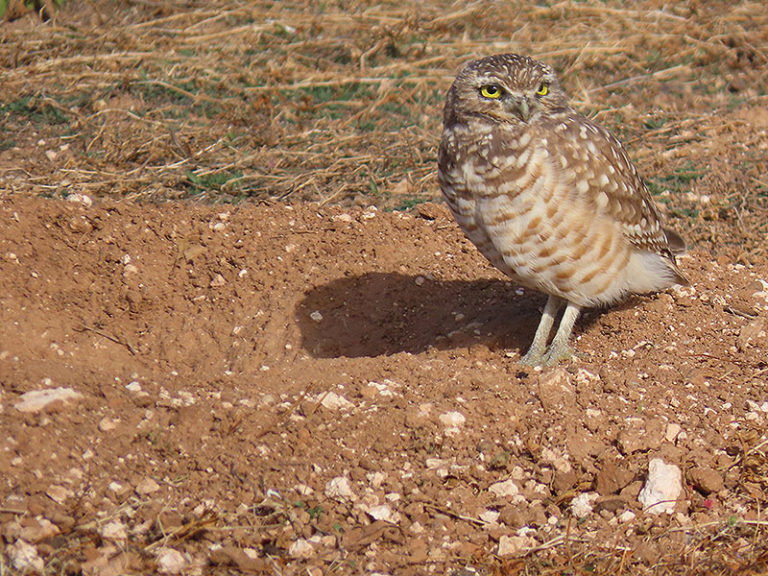
Prairie Dogs are considered a keystone species, meaning their presence and activities play a disproportionately important role in the local ecosystem. Prairie Dog burrows are thought to aerate the soil and aid in water permeation. Their feeding habits aid native vegetation growth. Prairie Dogs also serve as prey for a wide variety of predators, including many types of raptors, several species of snakes, and many mammals–notably the endangered Black-footed Ferret, which specializes in hunting Prairie Dogs. Other animals regularly repurpose abandoned Prairie Dog burrows for their own homes. The charming Burrowing Owl is a prime example.
Black-tailed Prairie Dogs persist throughout their range in Texas, though their historic numbers have been greatly reduced. At one time, Texas was host to what was thought to be the largest Prairie Dog town ever known. This massive colony spanned the Texas Panhandle from Clarendon to San Angelo. It covered 250 miles north to south and was around 100 miles wide for much of this run. An estimated 400 million Prairie Dogs may have lived in this colony.
It is thought that as recently as 1905, Prairie Dogs ranged over 57 million acres in Texas with population numbers approaching 800 million. But around 1914–born of wildlife attitudes typical of the times–eradication efforts began in earnest. The Prairie Dog extermination programs of the time were very effective.
Today, Black-tailed Prairie Dogs have been reduced to 8 million individuals and occupy only around 150,000 acres in the state. Despite the efforts of environmentalists, the Black-tailed Prairie Dog is not federally listed as threatened. In Texas, the Black-tailed Prairie Dog remains classified as a non-game species with no closed season, no bag limits, and only limited hunting restrictions.
The few Prairie Dog towns in the Dallas/Fort Worth area are located on public land, but there may be others on private property. If anyone out there knows of a colony near Dallas/Fort Worth that is established on private property, I’d like to hear about it. Exact locations are not necessary. County quadrant, or even county-level, location information would suffice. If you know of such a Prairie Dog colony and would not mind sharing, please drop me a line.
Dallas/Fort Worth Prairie Dog colonies are almost certainly made up entirely of introduced animals. Local colonies are also small and isolated–factors that make them vulnerable to serious threats. Disease, inclement weather, inbreeding, predators, and human malice can quickly decimate a population. Because no natural avenues exist for dispersal between DFW-area colonies, once a colony is lost, it cannot recover without human intervention.
A case in point is the Prairie Dog colony at the Fort Worth Nature Center and Refuge (FWNCR)–which, by the way, is certainly the best place for the public to view Prairie Dogs in the Metroplex. Reportedly, this colony was first established in 1977. At its height, the FWNCR Prairie Dog town was home to some 100 adult Prairie Dogs. Then in 2015, this colony suddenly died out. The cause is unknown, but disease and/or severe weather are suspected.
In 2024–after a nearly 10-year absence–Prairie Dogs were re-introduced to the Fort Worth Nature Center and Refuge. Over August and September, a team of naturalists traveled to the Texas Panhandle to capture Prairie Dogs and relocate them to Fort Worth. Two sites were chosen for the trapping efforts–one in a new subdivision construction project and another on private ranchland.
The Prairie Dogs were captured by inundating their burrows with water. Flooding the burrows forced the ground squirrels to the surface, where they could be grabbed by hand and placed into awaiting cages. Once captured, the Prairie Dogs were treated for fleas in order to mitigate disease risk, and then transported back to Fort Worth.
Back at the Fort Worth Nature Center and Refuge, the captured Prairie Dogs were released into specially designed enclosures built over shallow, human-dug starter burrows. The cages were designed to keep the Prairie Dogs safe as they acclimated to their new home. Staff removed the enclosures only after the prairie dogs had successfully enlarged and modified the manmade burrows more to their liking.
Current reports have the Fort Worth Nature Center and Refuge colony thriving with somewhere between 40 and 80 adult Prairie Dogs. Moreover, pups have been spotted, indicating that breeding is taking place in the re-established colony.
Rumor has it that there was once a second–and vast–Prairie Dog colony in Fort Worth at the intersection of Interstate 820 and US Highway 287. From what I can determine, this colony was bounded by Lake Arlington on the east side of Interstate 820 and followed US 287 west at least out to Village Creek Park on the north side of the highway and down to the namesake Prairie Dog Park to the south.
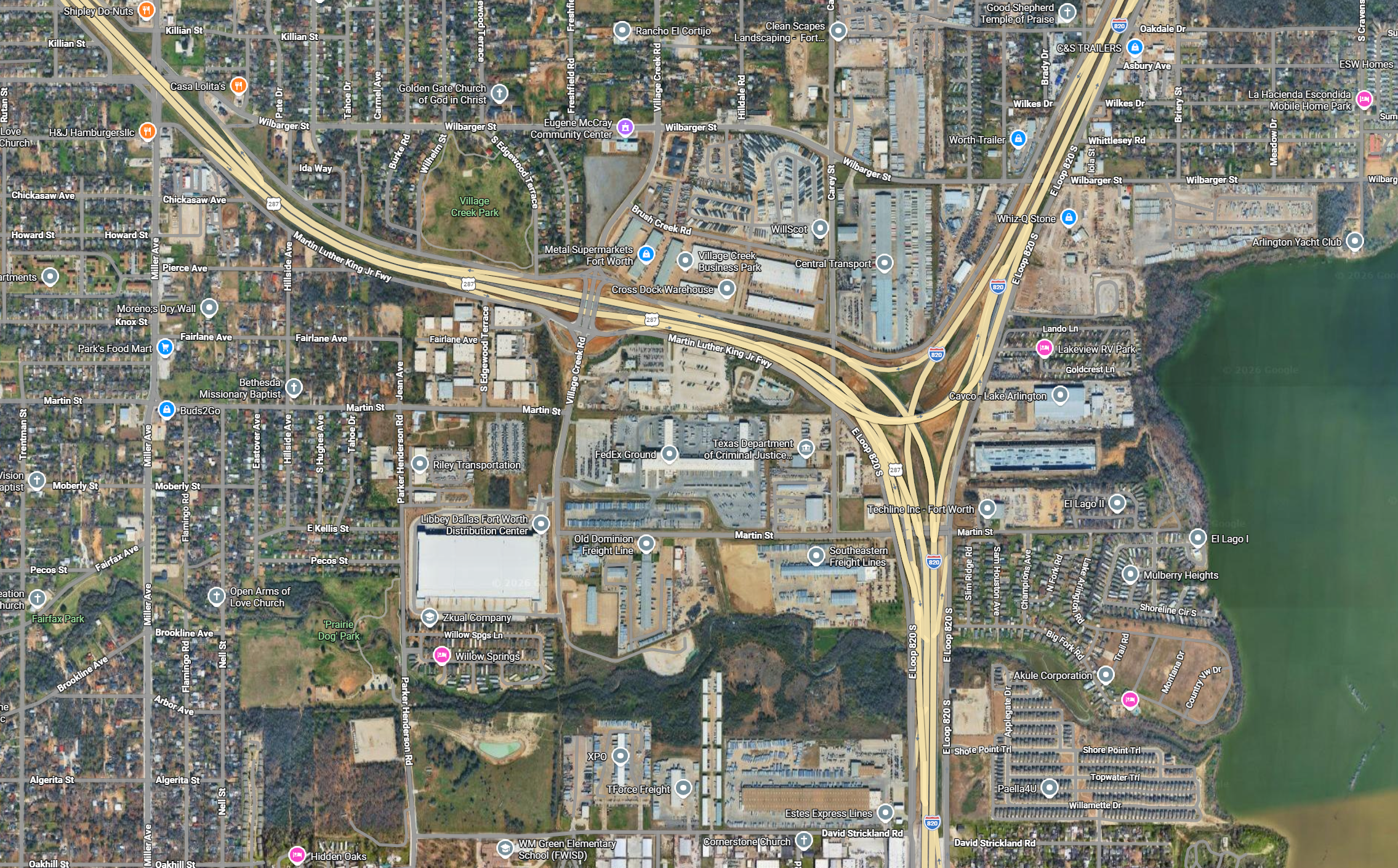
Information found on the internet suggests this colony began when a local farmer released three pairs of Prairie Dogs that had been kept as pets. It’s unclear when this release took place, but records show that the City of Fort Worth acquired the property that became Prairie Dog Park in 1969, and the colony was present and well established at that time.
Indications are that this colony continued on until at least the late 1980’s, when development, urban sprawl–and maybe more nefarious actions–finally extirpated the last surviving remnants. NOTE: I would like to hear from folks who can fill in some of the gaps regarding this particular Prairie Dog colony. If you have information to share, please do not hesitate to contact me via email or on Facebook!
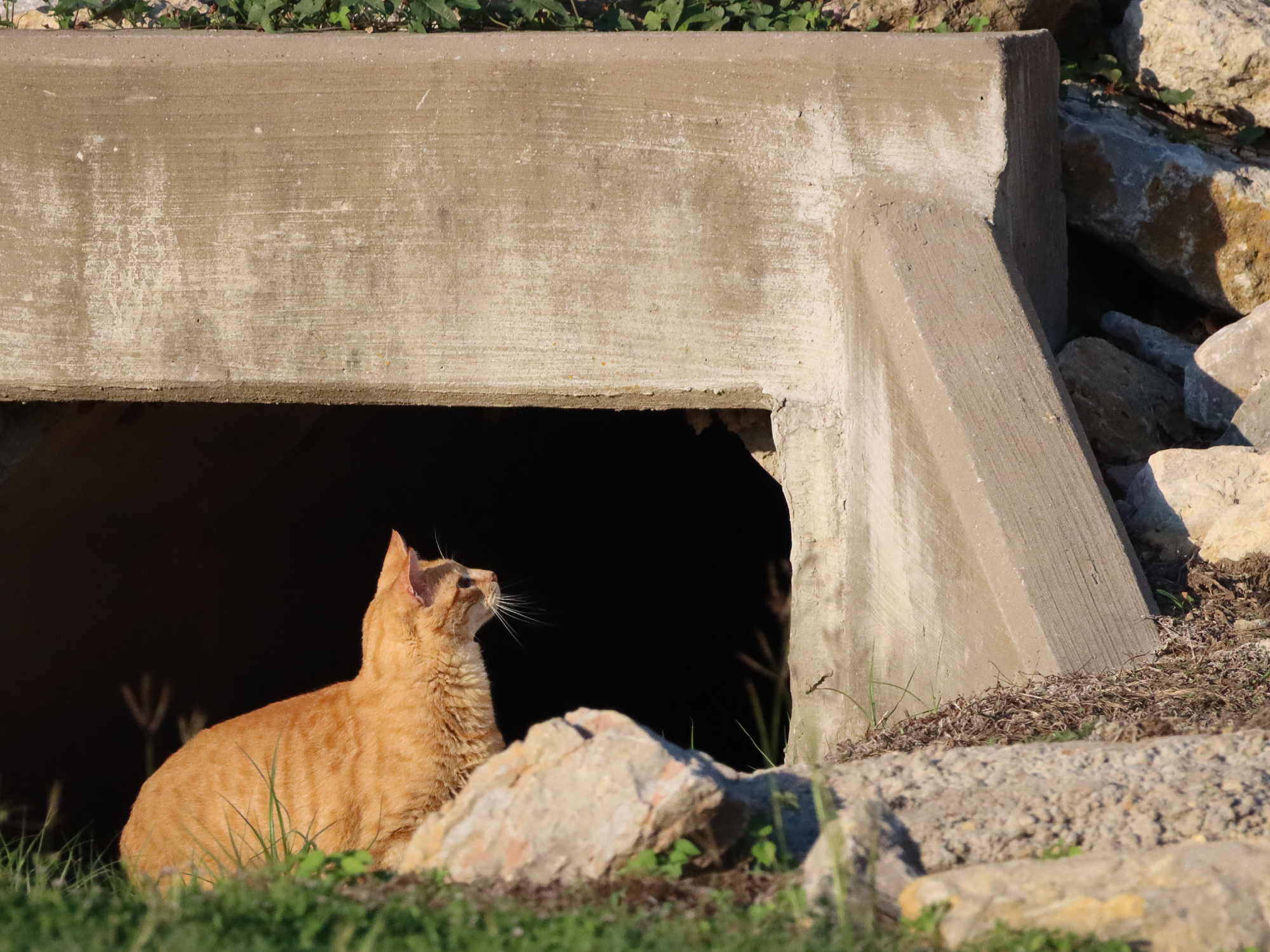
Another Prairie Dog town currently exists south of Tarrant County. This small colony is also almost certainly made up of introduced animals–though how long ago they were released at this location is uncertain. Reportedly, this colony was once much larger than it is today. In 2013, an energy company made plans to install natural gas wells on the site, and they decided that the best PR would come from relocating the colony rather than risking working around it. The company brought in trappers who captured around 19 Prairie Dogs. The trapped animals were then released in an undisclosed location north of Lubbock.
The fact that there are still a small number of Prairie Dogs on site suggests that the energy company’s trappers may have missed a few.
And while the colony persists, only a handful of ground squirrels appear to remain at this site. Prairie Dog colonies as small and isolated as this one are very vulnerable to a number of threats and dangers. There is no way for outside Prairie Dogs to make their way to this location, and without fresh blood there is a danger of inbreeding–and all that entails. In addition, a particularly capable predator could wreak havoc on this Prairie Dog town if it figured out how to regularly catch its residents. A disease or a significant stretch of inclement weather could also have a heavy impact on the remaining squirrels.
And then there is the ever-present threat posed by people.
From what I gathered, many of the people living nearby value the colony and are glad to have the Prairie Dogs around. But then there are other folks who hold more traditional views about Prairie Dogs and are not as happy about the situation. Both groups could cause damage to the colony. Surreptitious attempts to eliminate the colony–or even to kill the occasional individual ground squirrel as a varmint–could have grave consequences. But even well-meaning folks could bring down the colony. Feeding the Prairie Dogs could have deleterious effects on the Prairie Dog’s behavior and health. Unauthorized attempts to release new Prairie Dogs run the risk of introducing a colony-killing disease as an unintended consequence.
Let’s take care of our Dallas/Fort Worth Prairie Dog population!
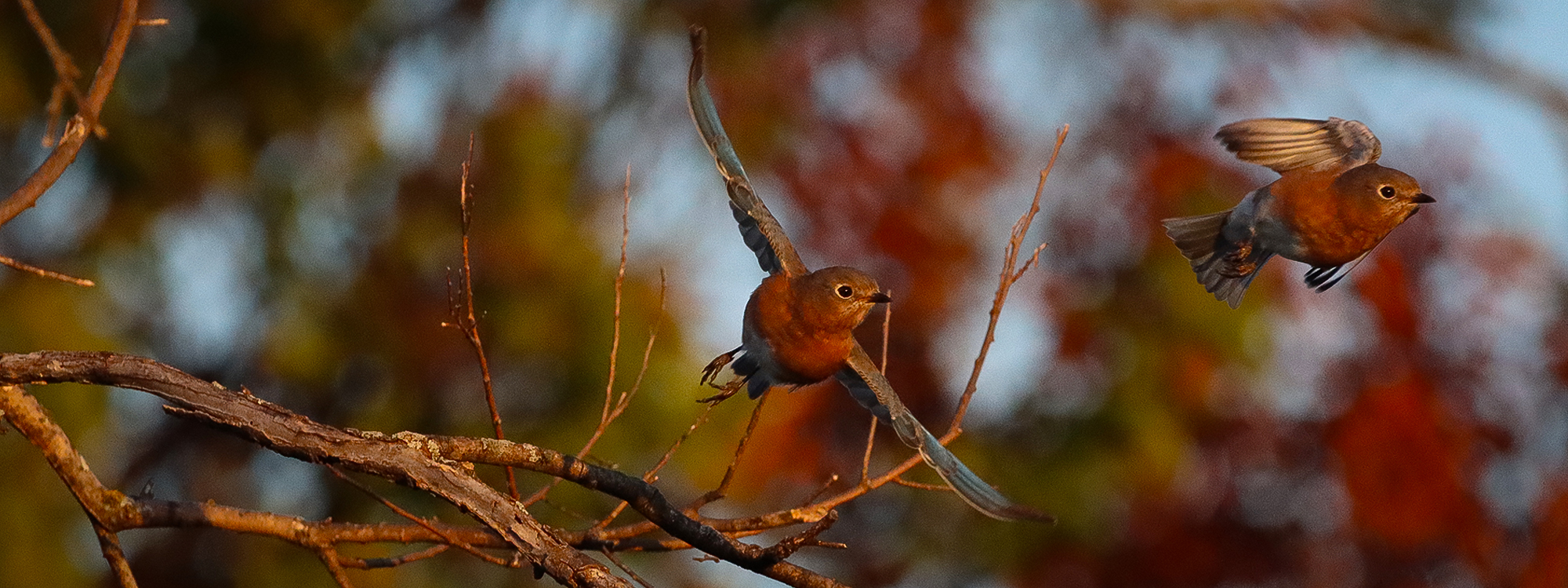
Here, two Eastern Bluebirds chase each other in front of early fall foliage!
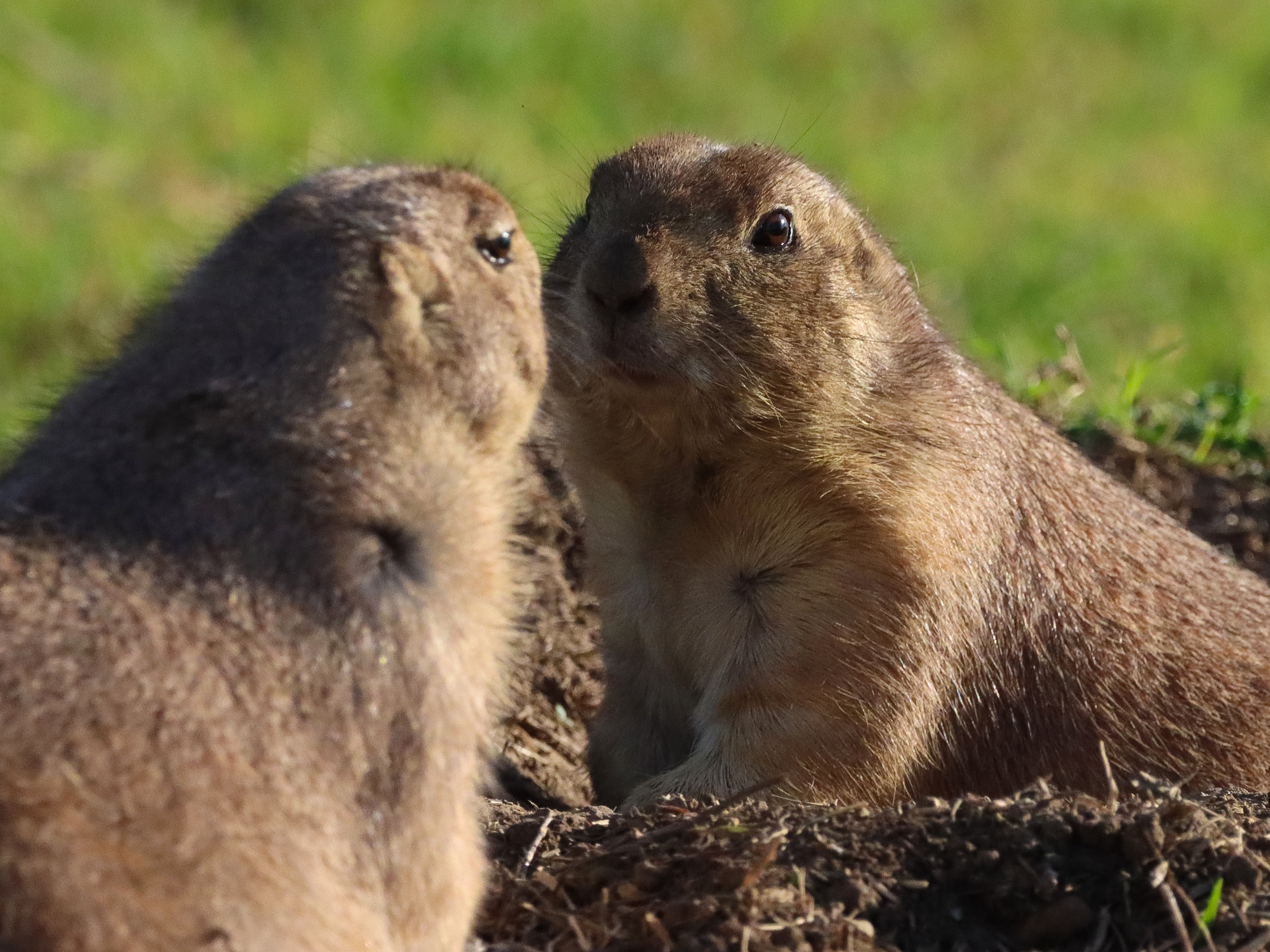
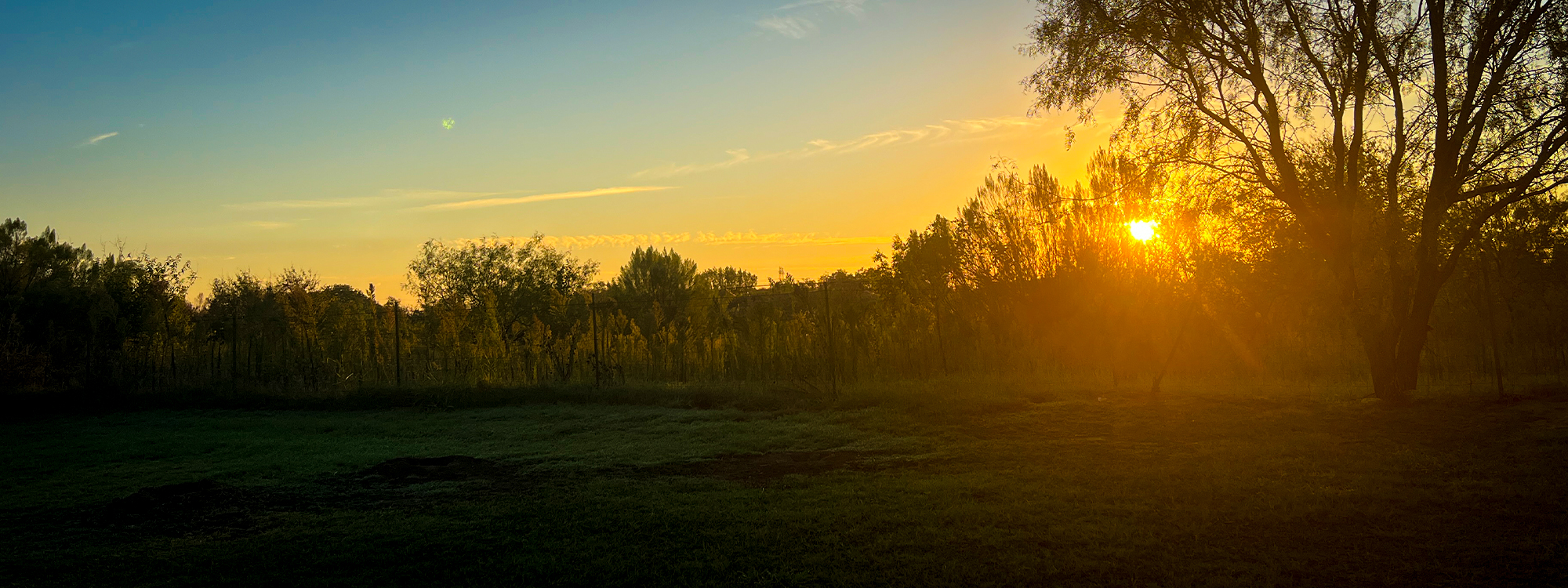
Light conditions for photographs would be improved with sunlight coming from the west,
so I cut this visit short and made plans to return the next day
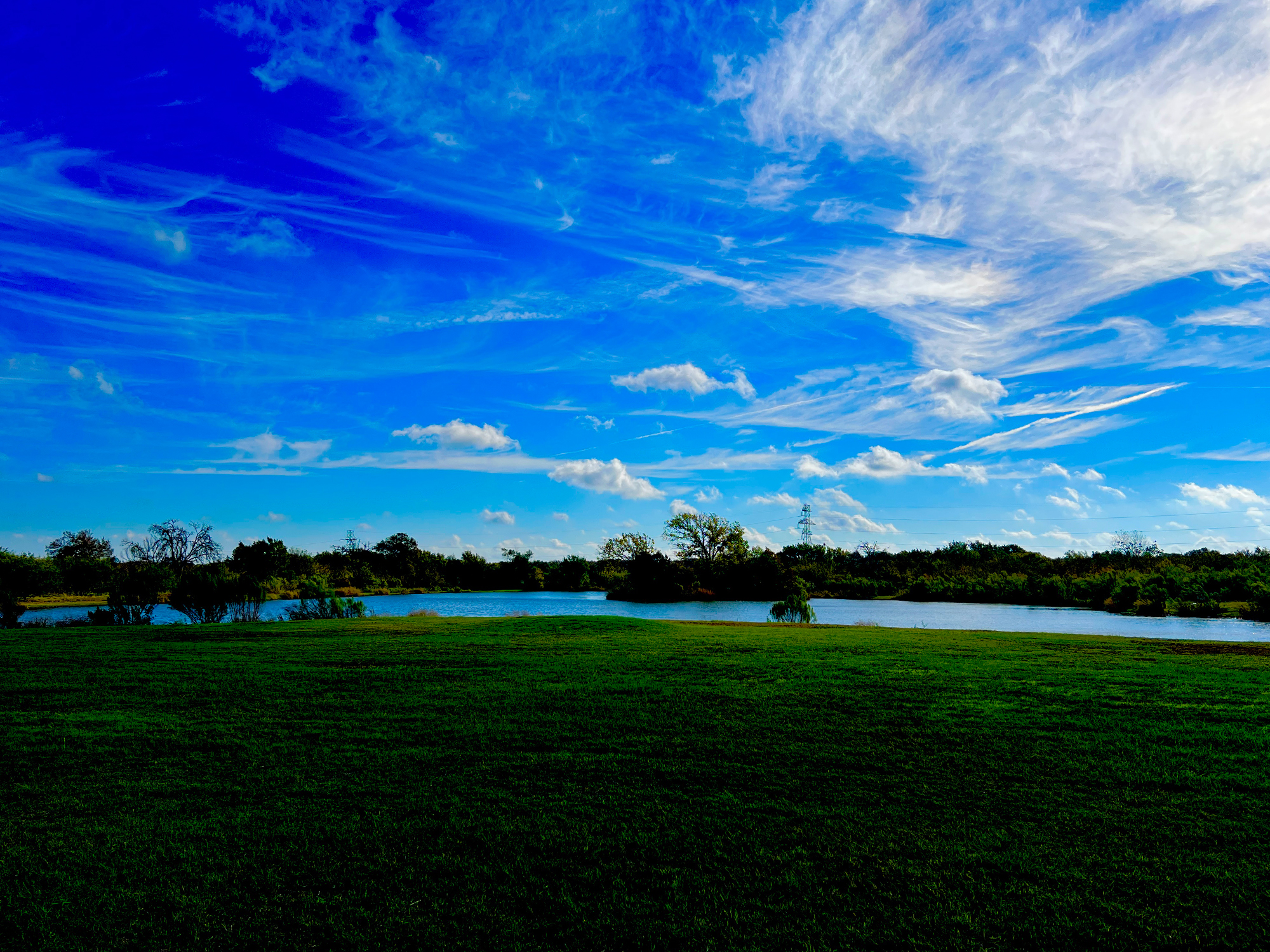
The sun was out, the sky was blue, and the temperature was comfortably cool! Perfect!
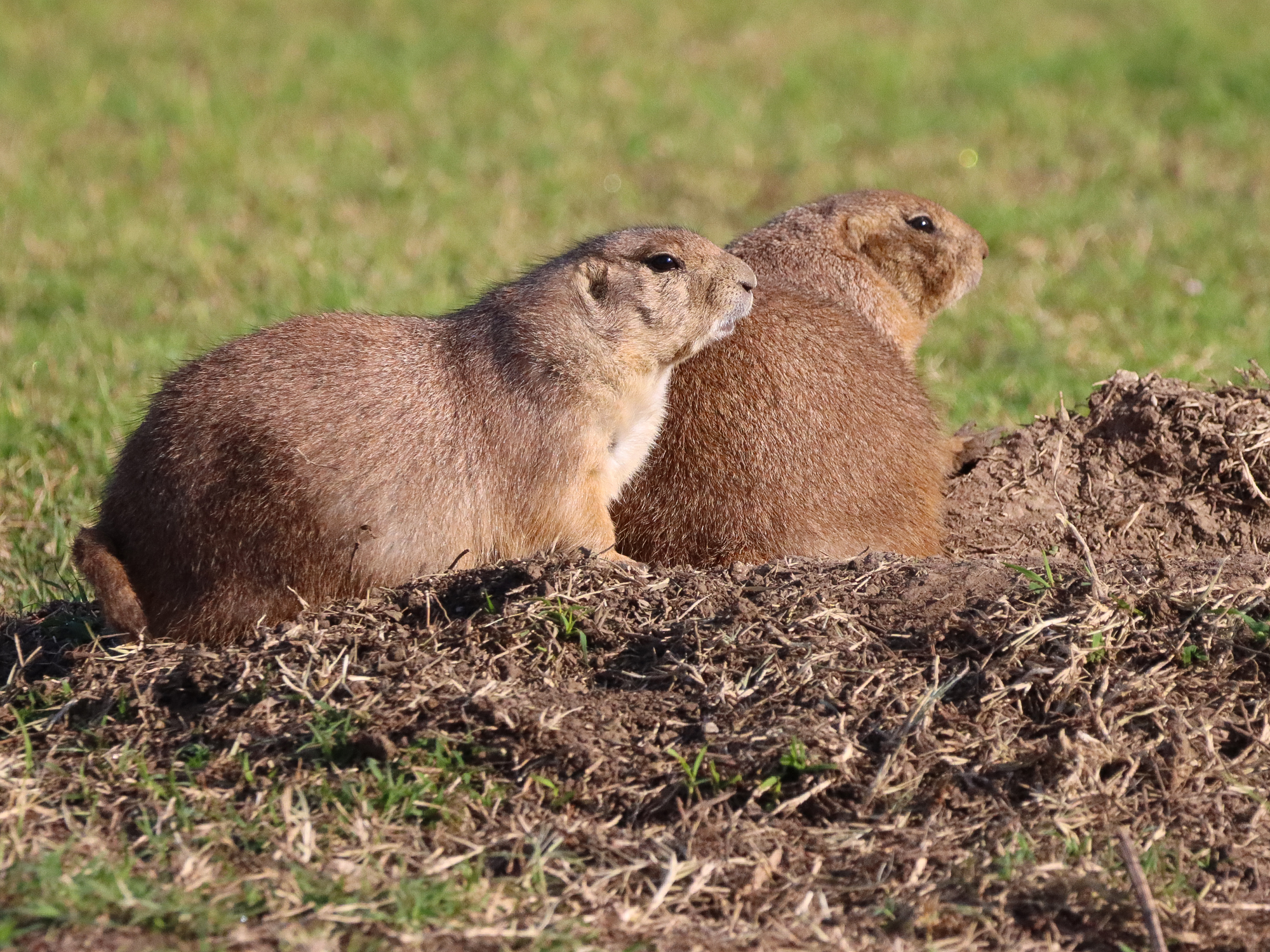
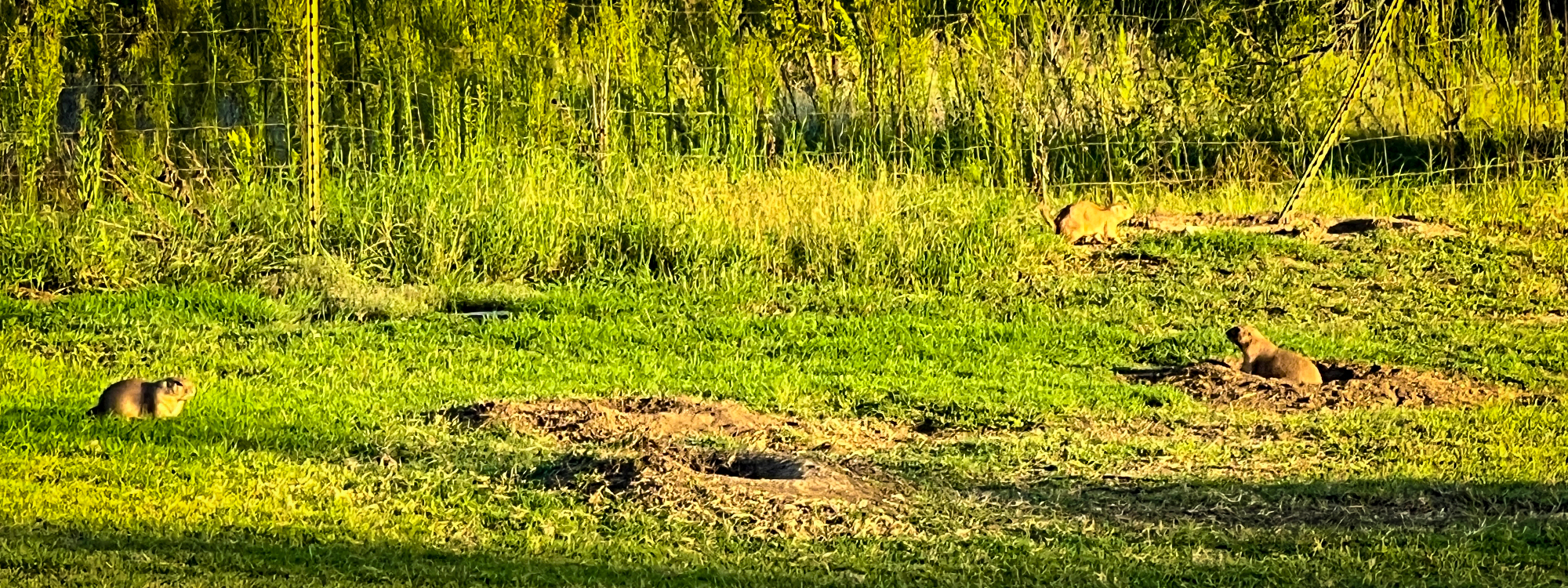
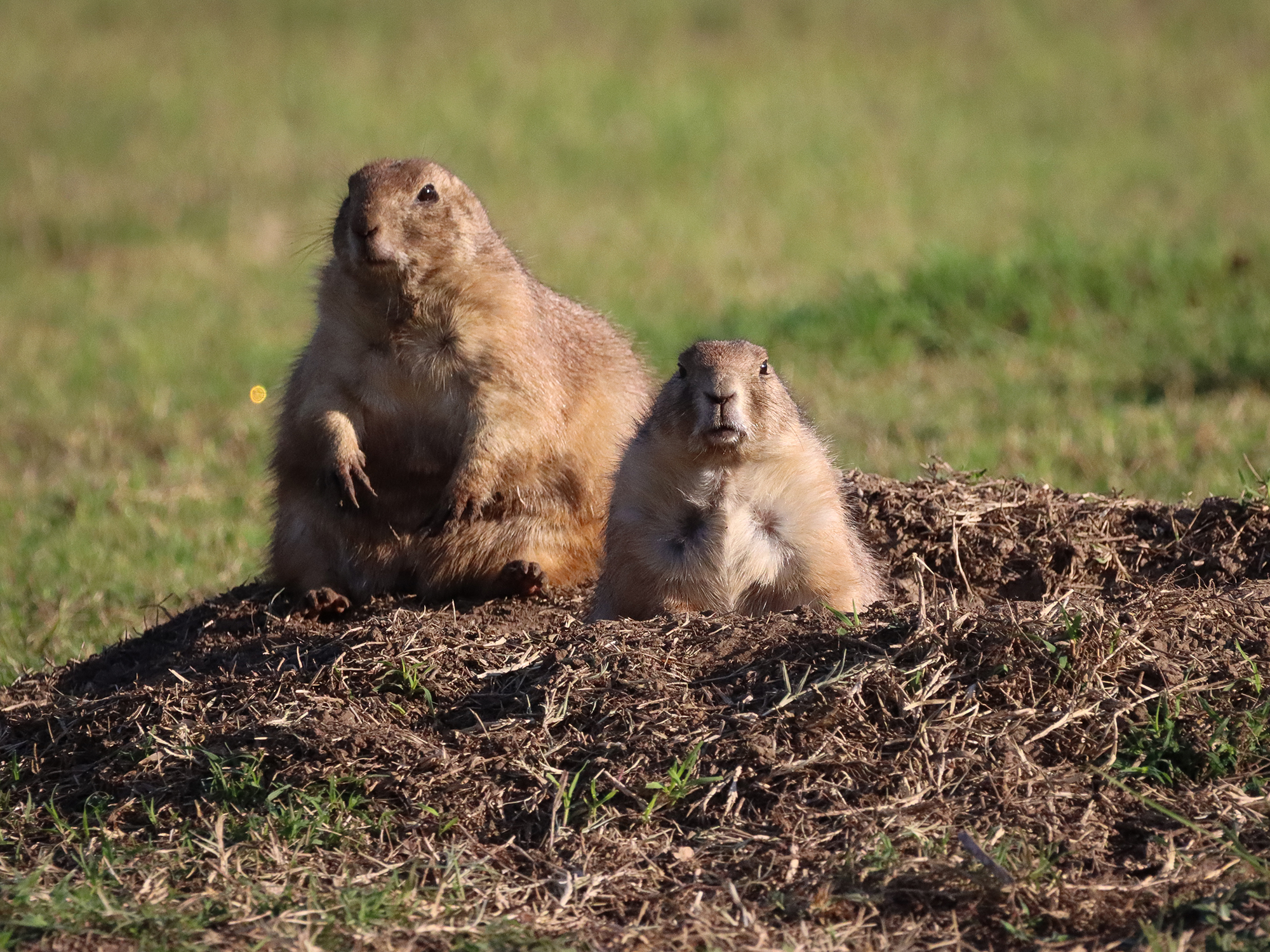
There may be a few more, but this is certainly a very small colony
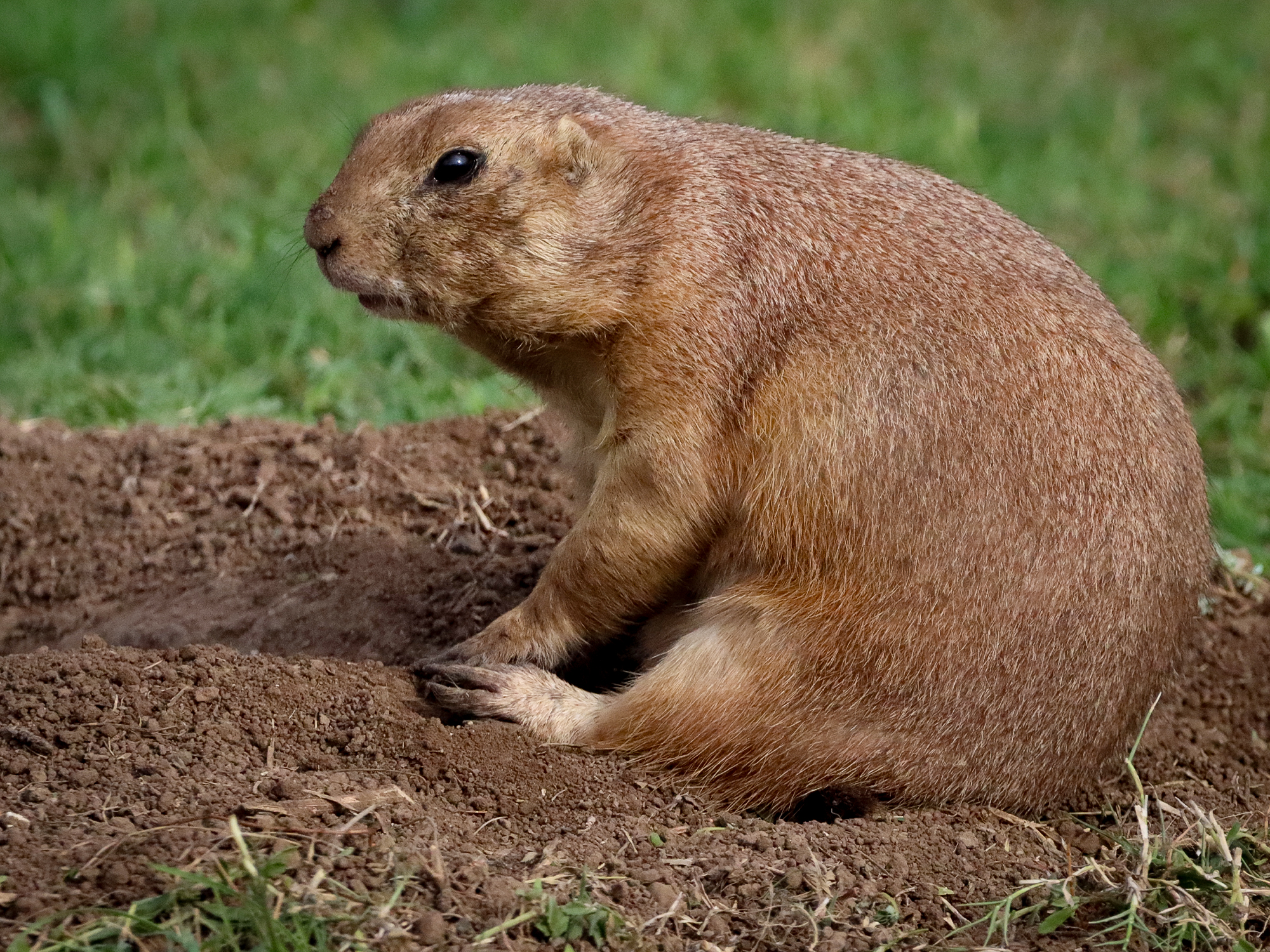
The Juvenile could stand to put on a few ounces before winter sets in
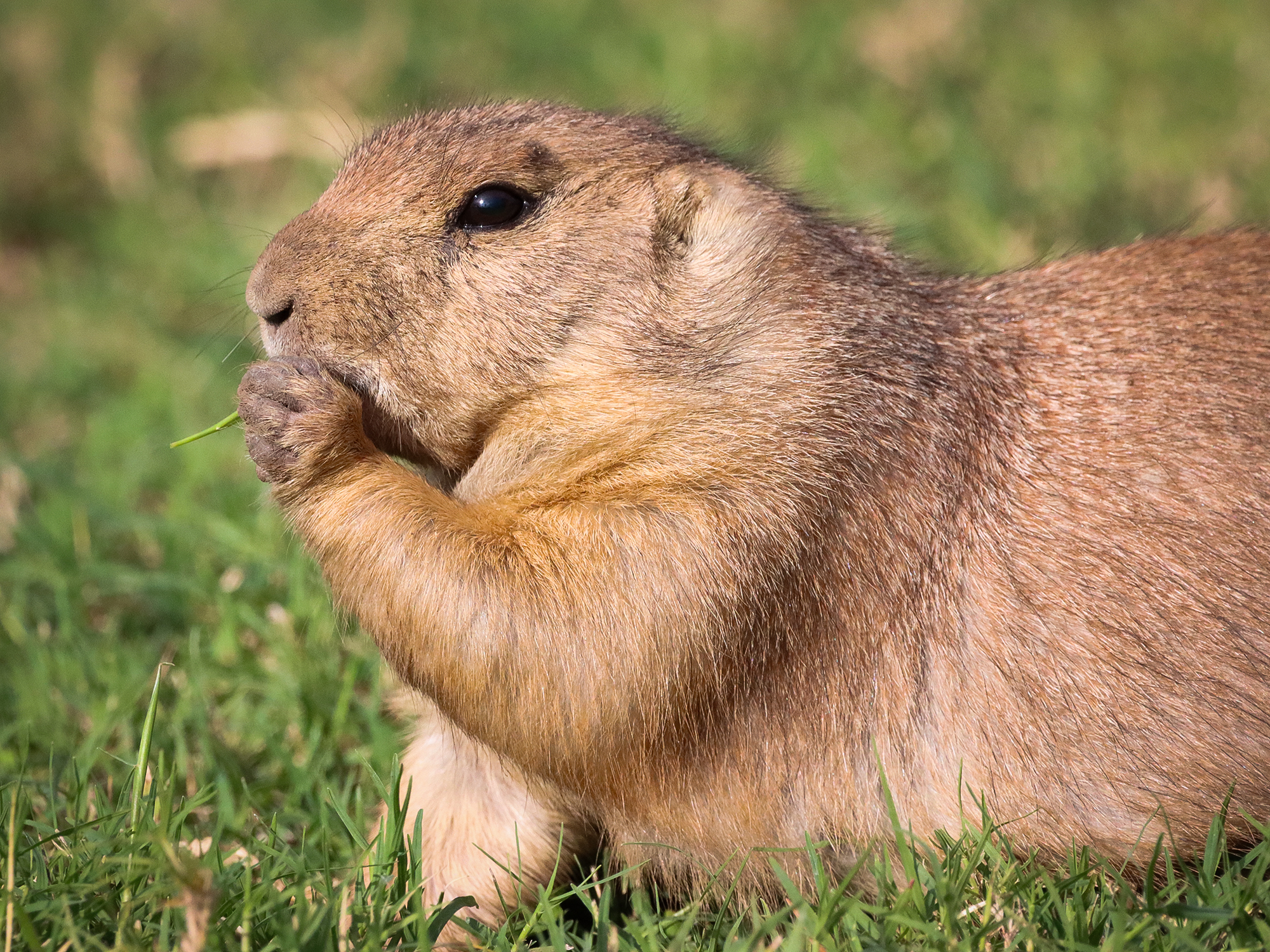
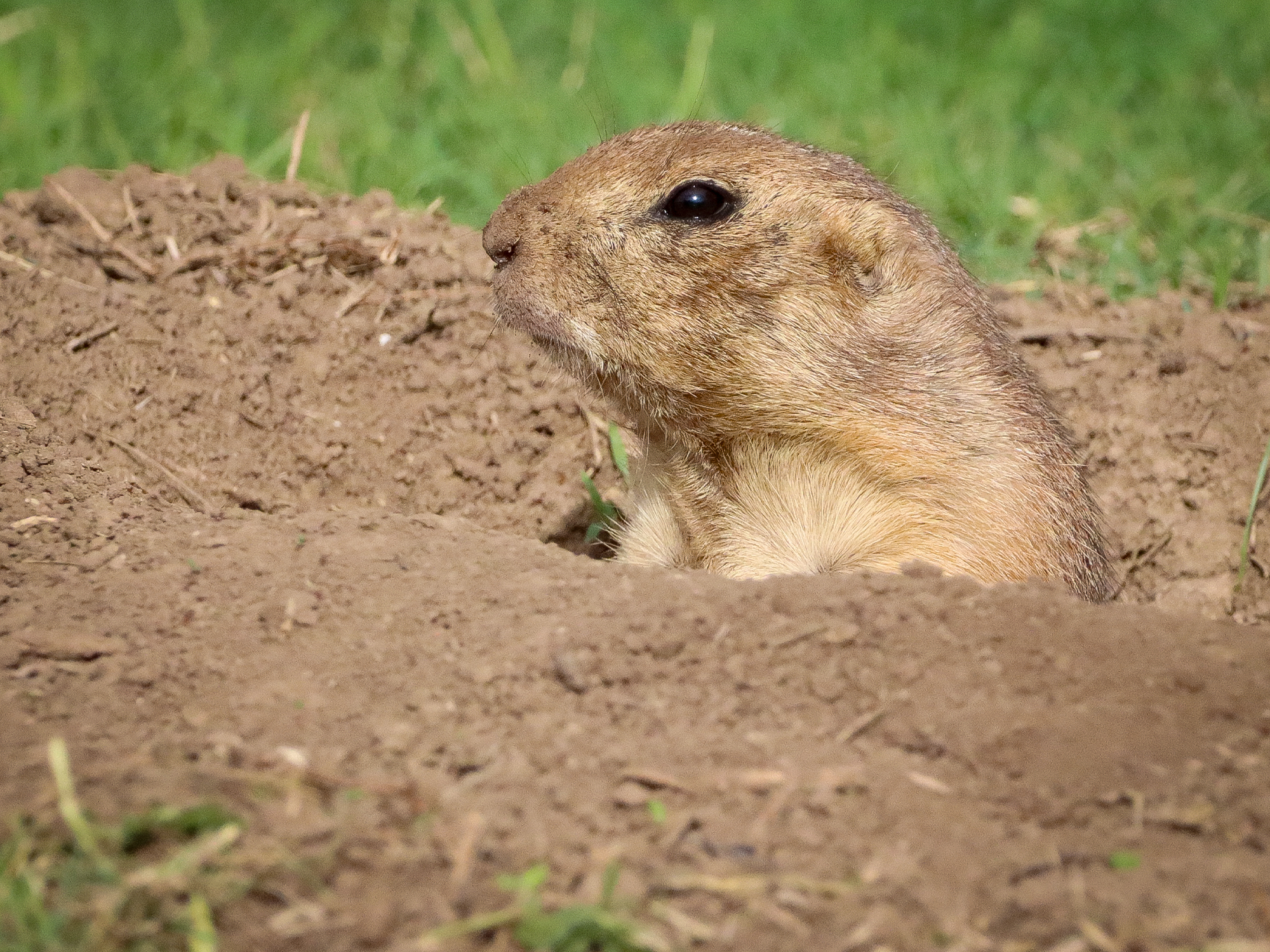
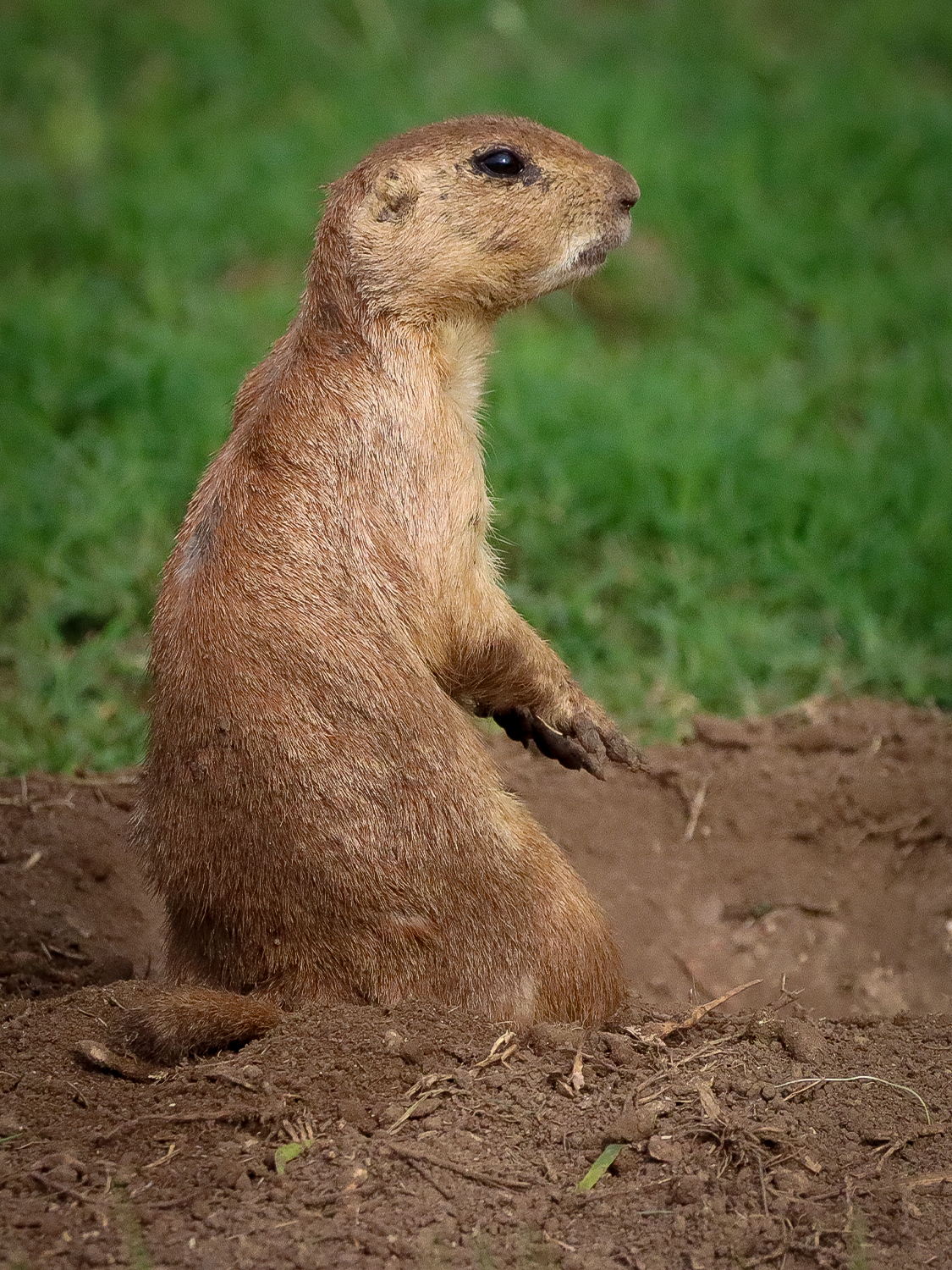
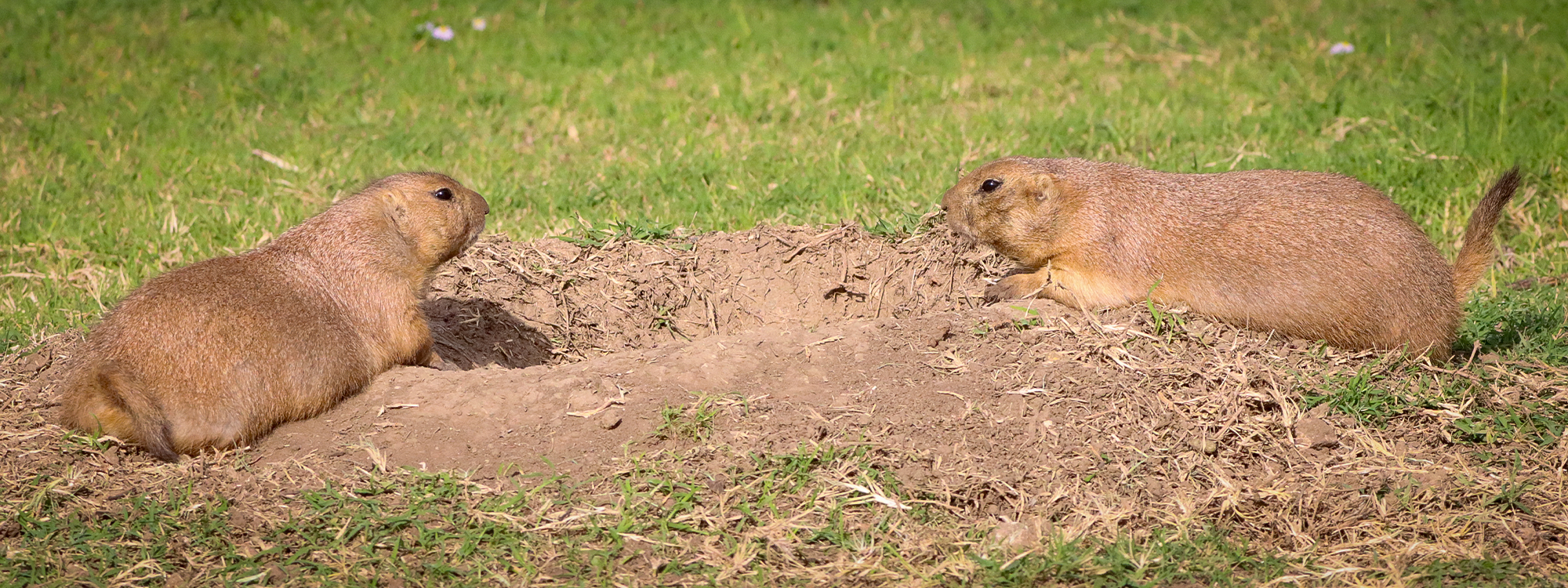
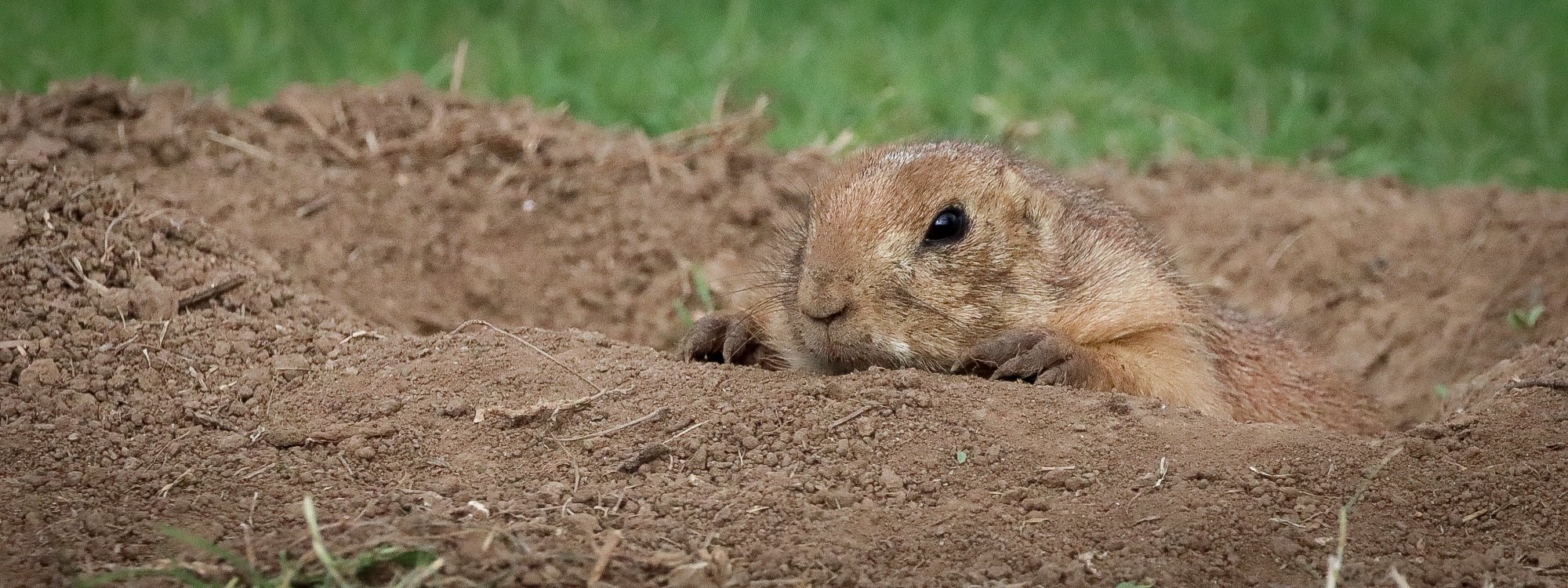
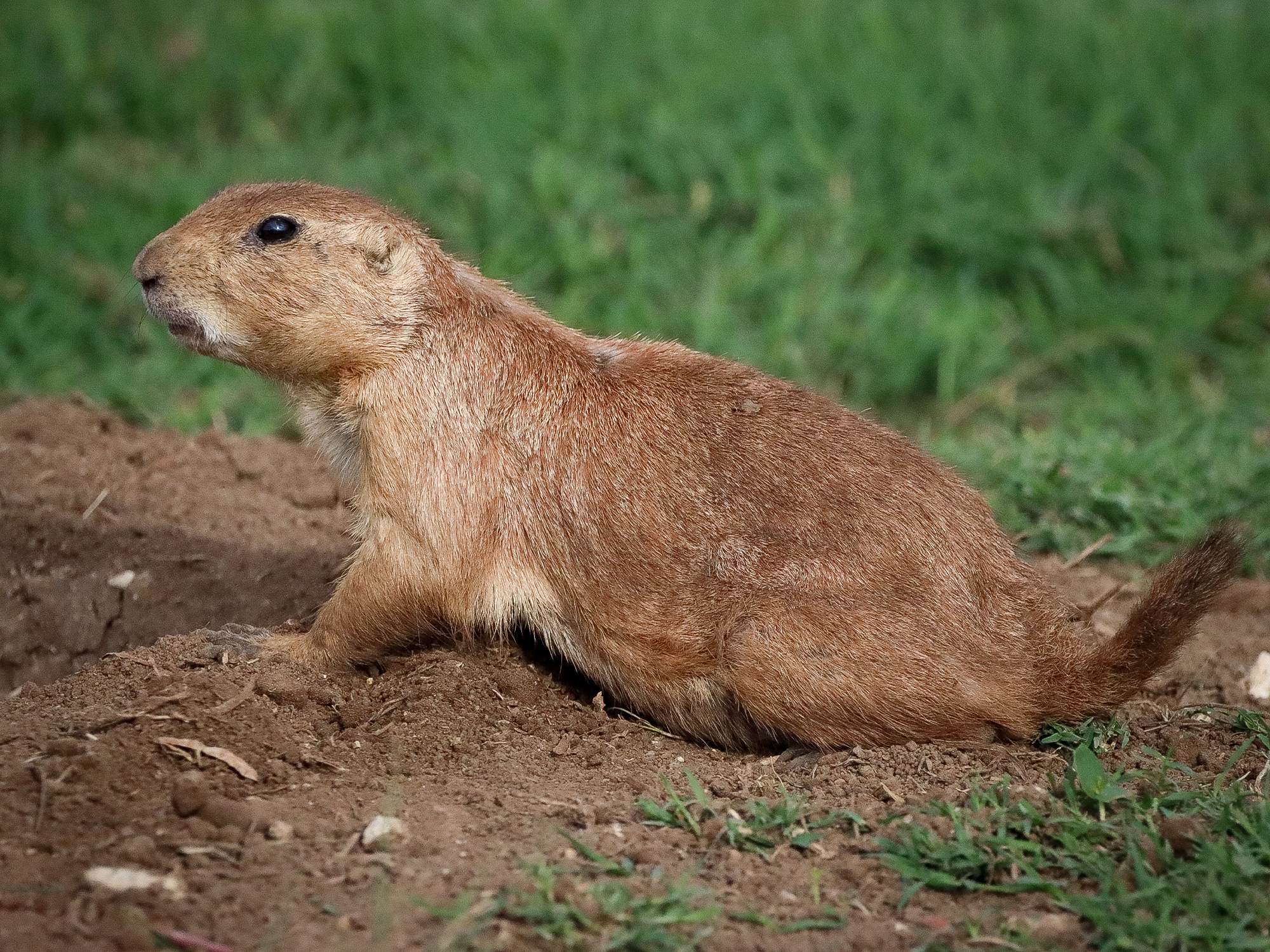
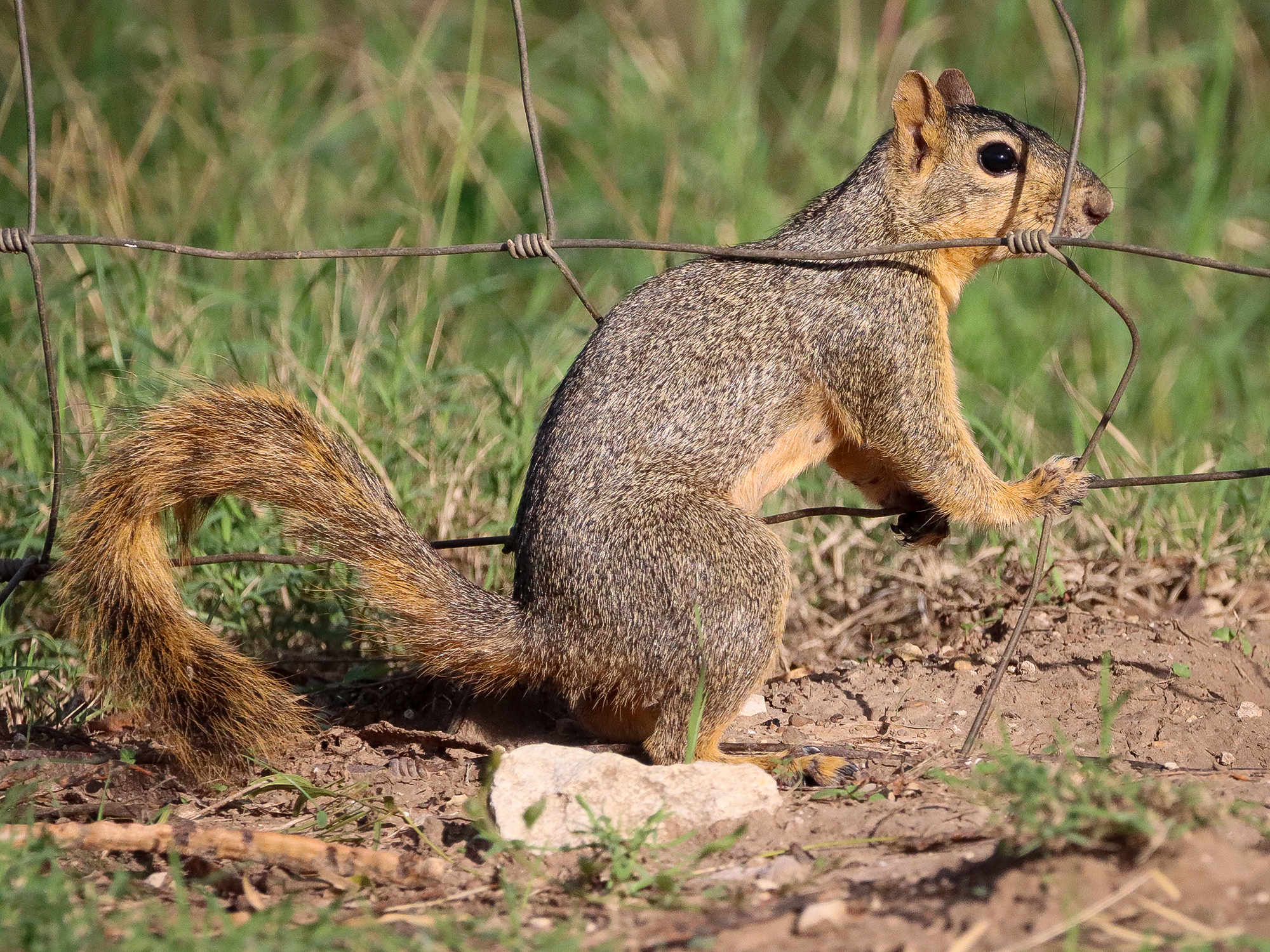
Notice the anatomical similarities between the two squirrel species
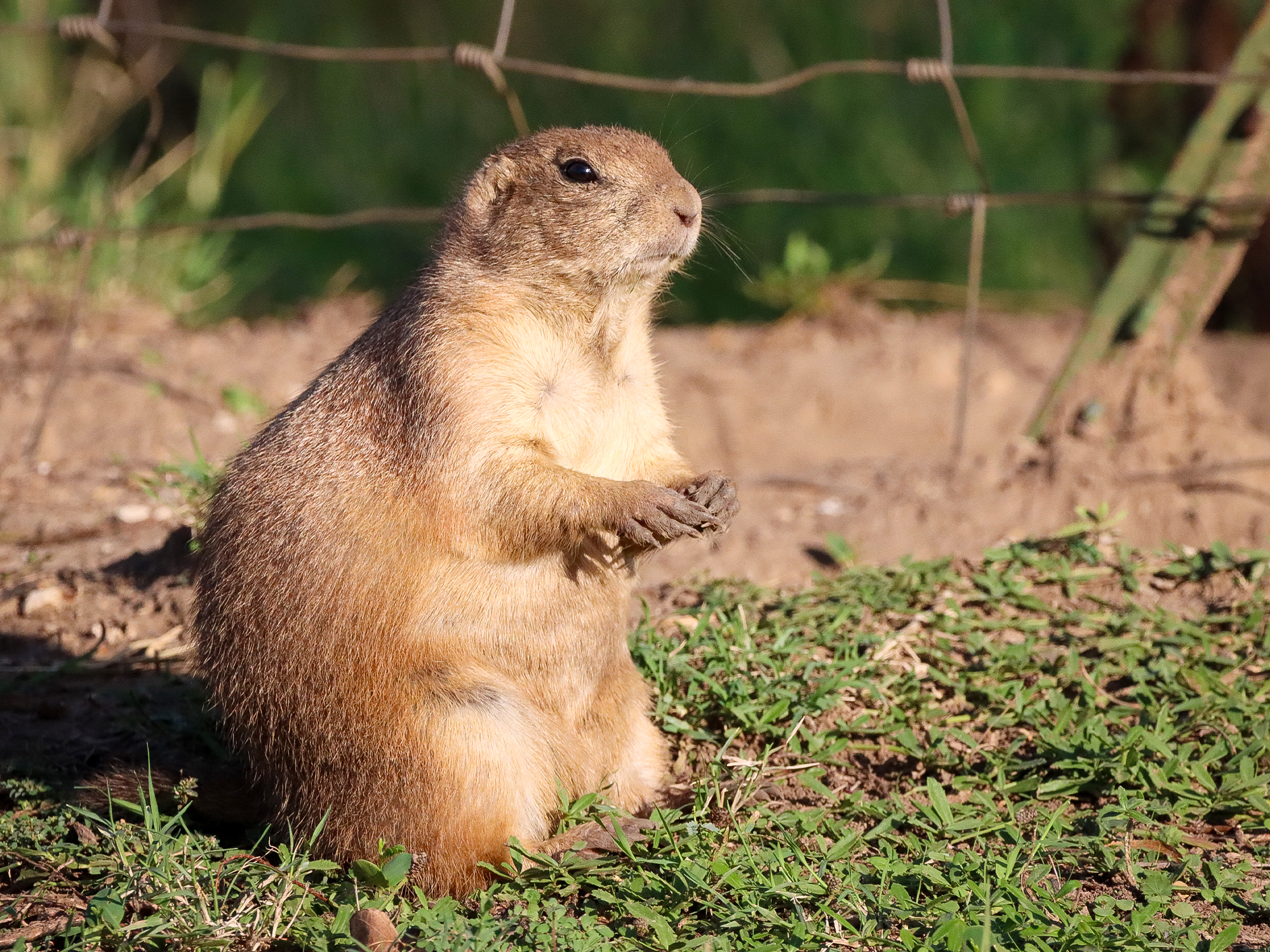
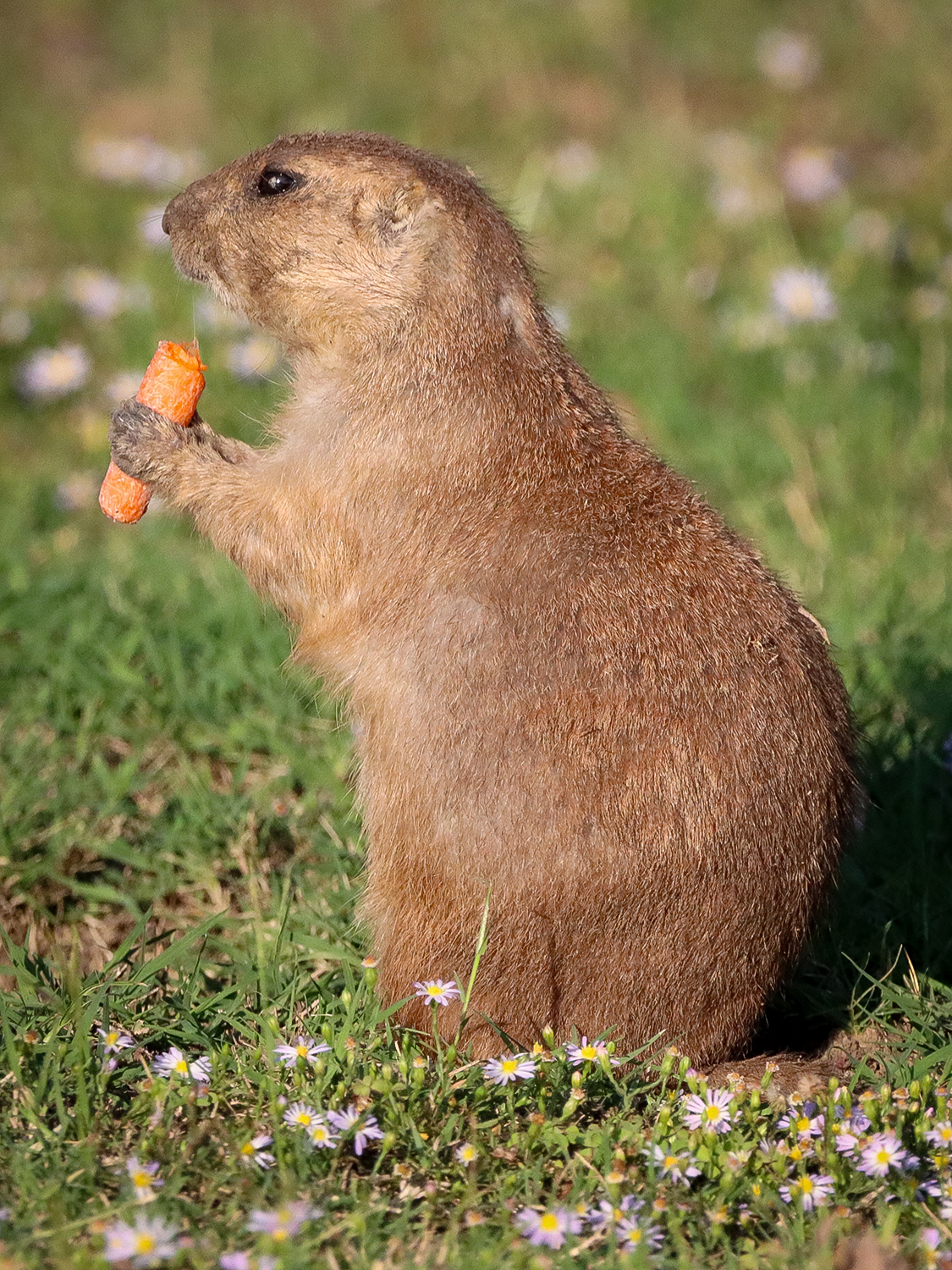
Although often well-intentioned, feeding wild animals is generally not a good idea.
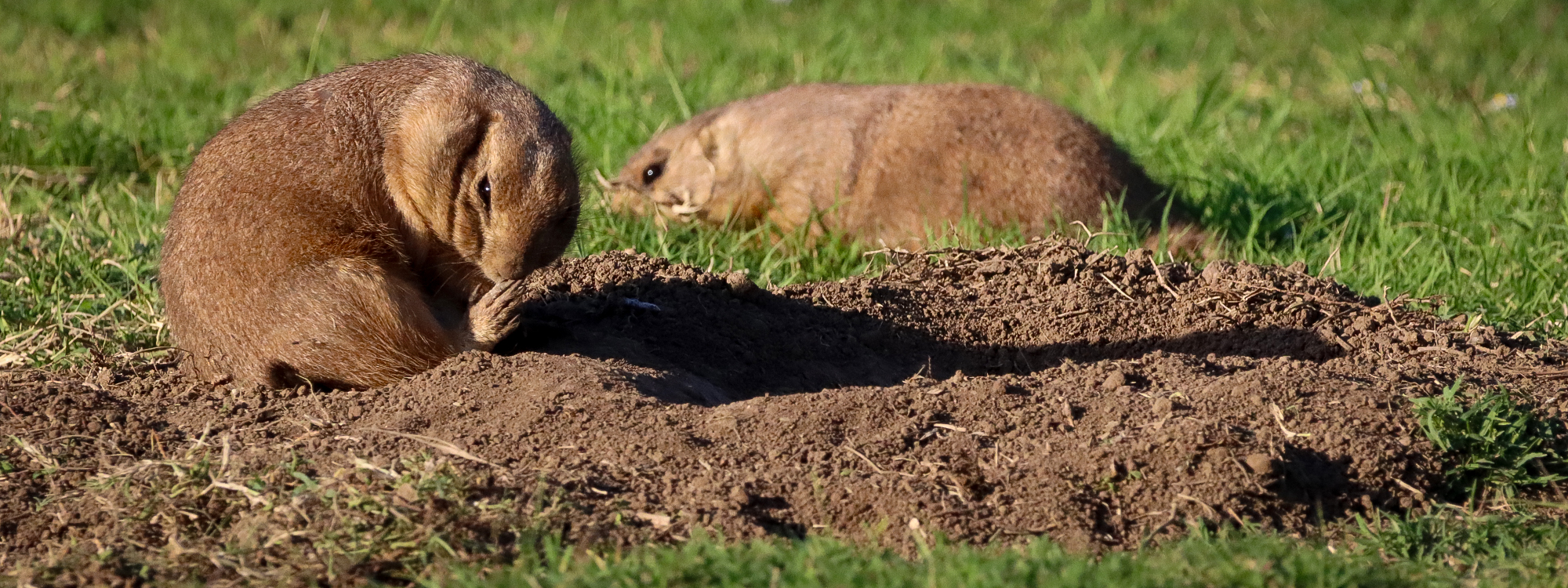
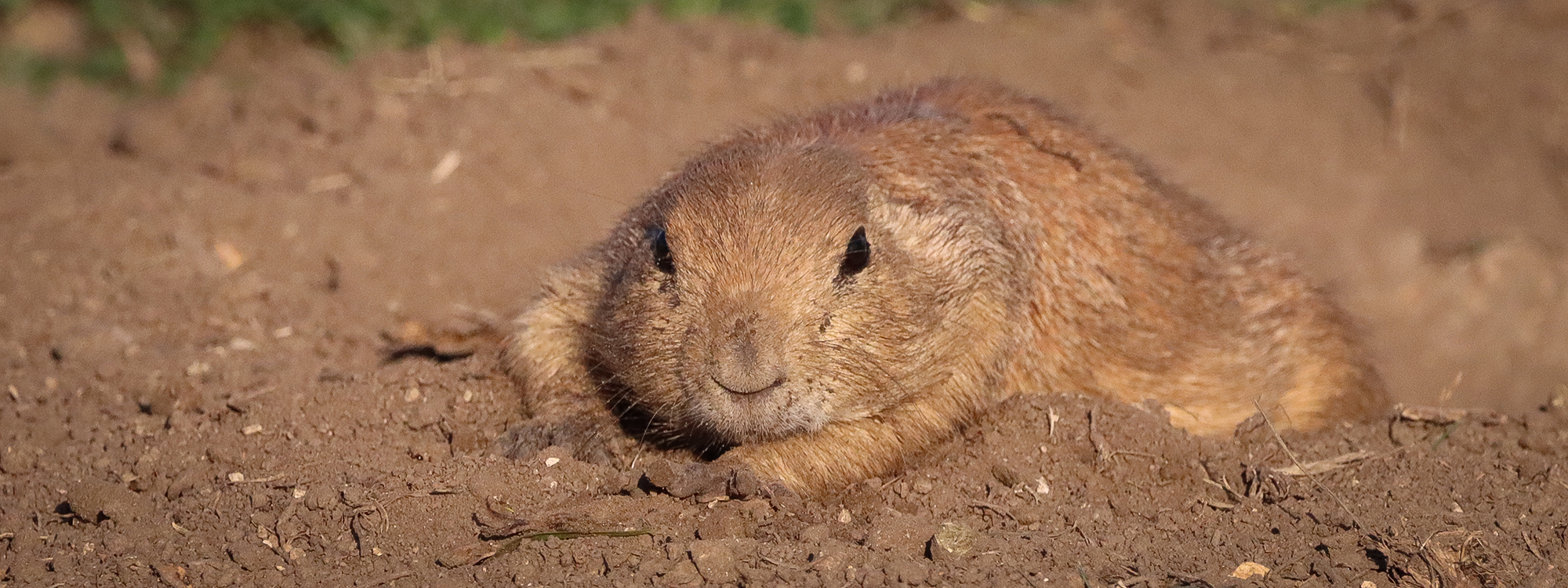
When they did, he would retreat to a nearby burrow and hunker down with a look of thorough dejection.